
Magazzino Italian Art
Cold Spring, NY
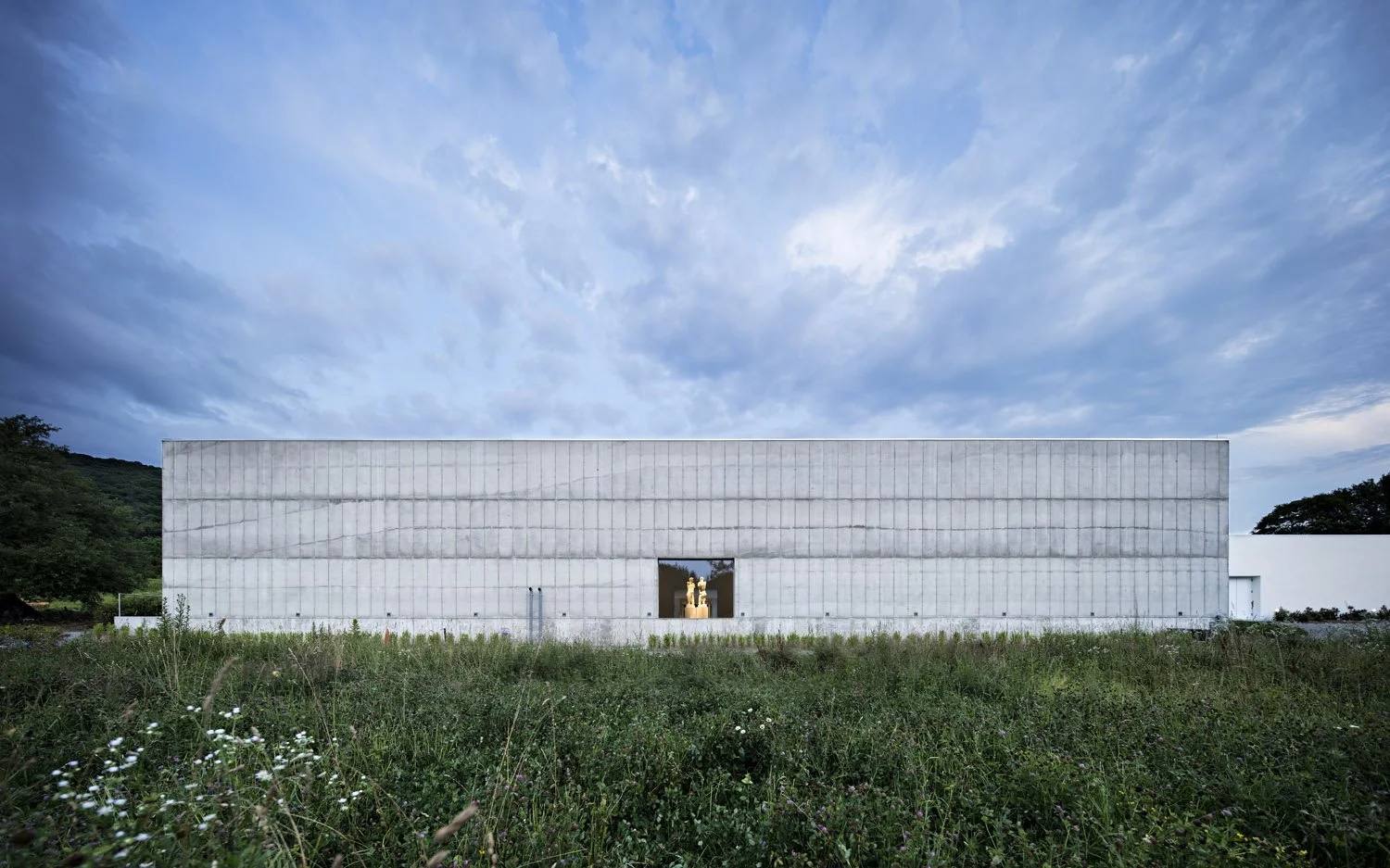
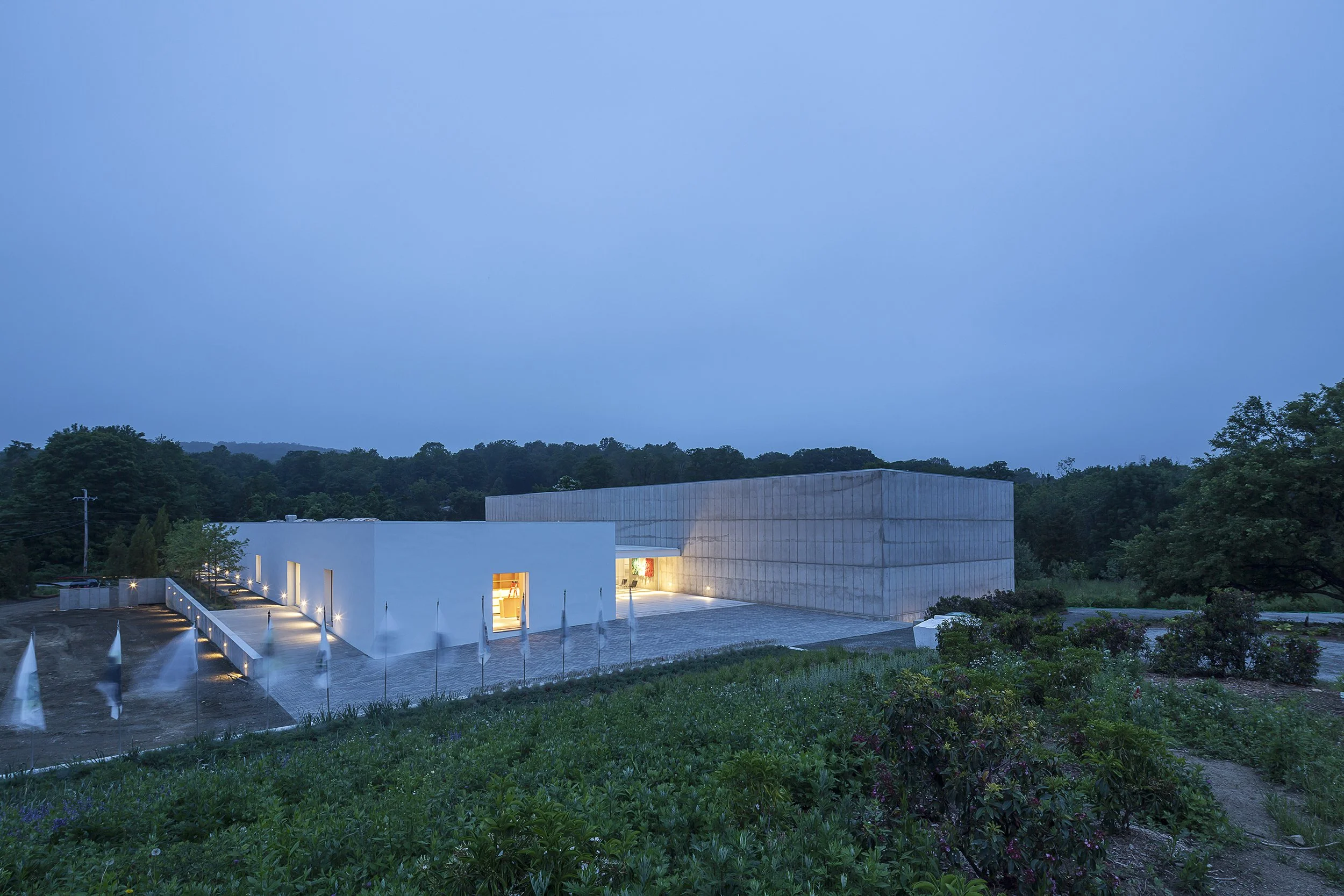
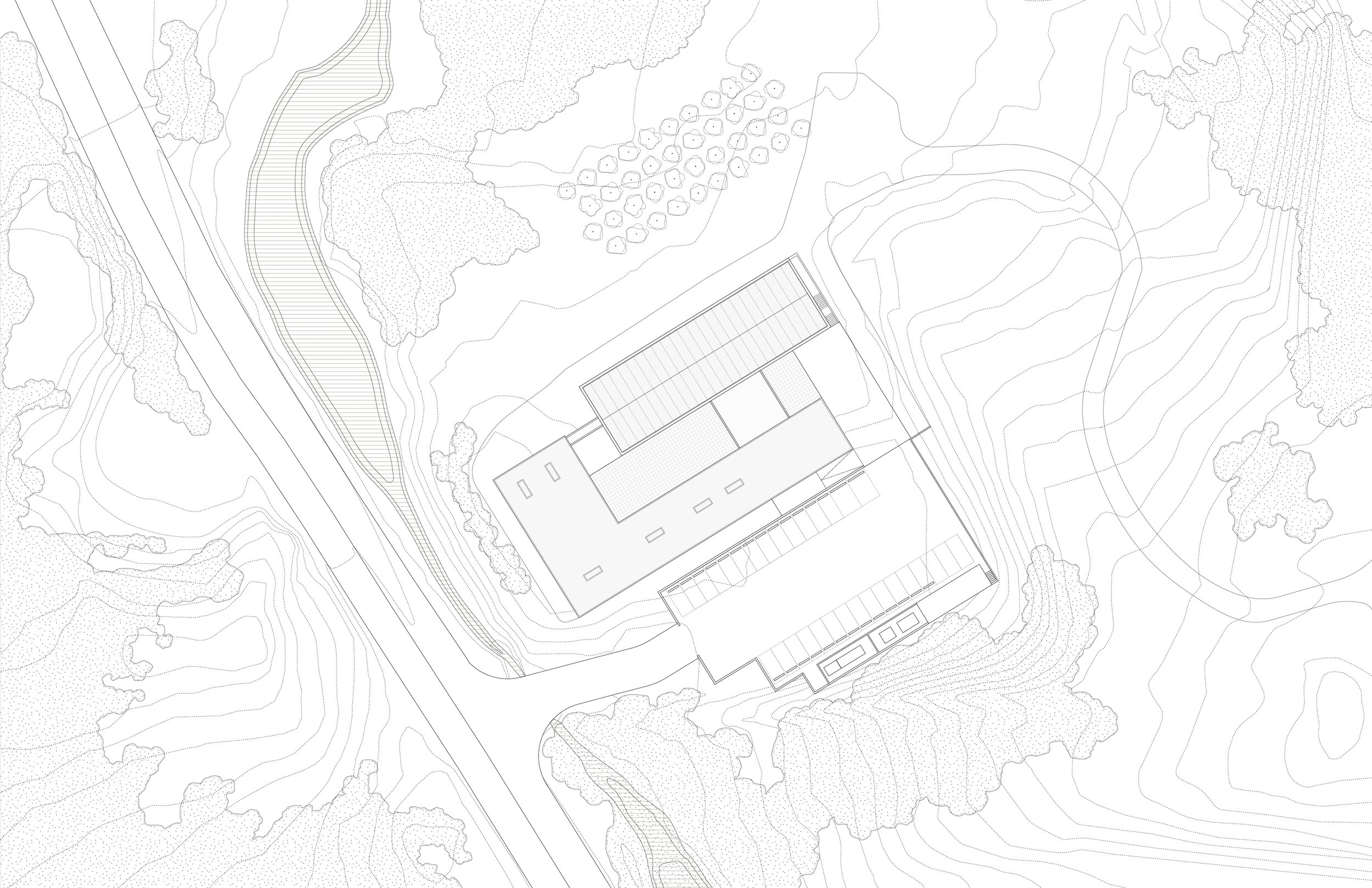
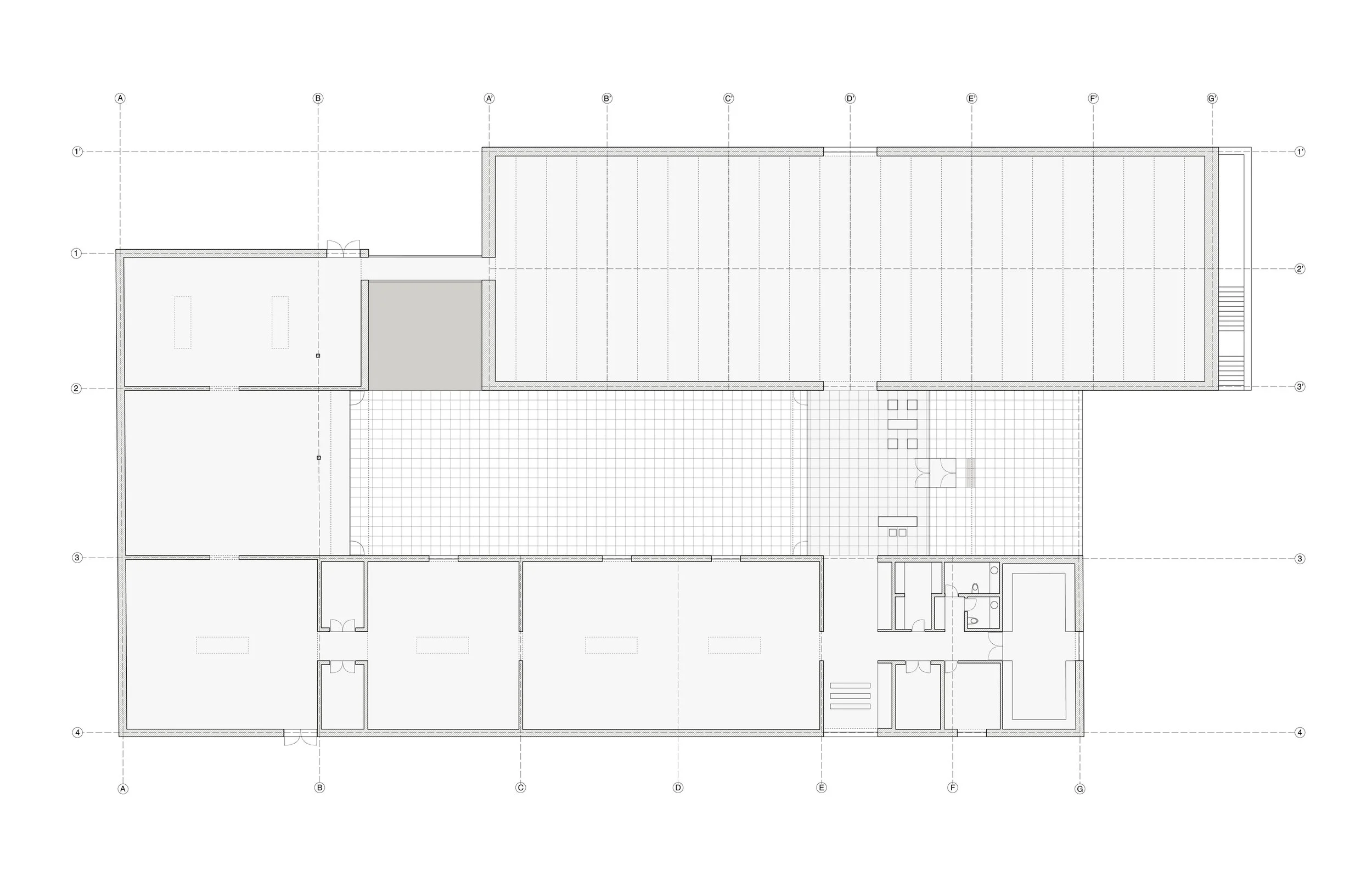
Magazzino Italian Art is a private initiative conceived by Nancy Olnick and Giorgio Spanu to house their collection of postwar Italian Art. The commission consisted of the full renovation of an existing 11,000-SF L-shaped structure surrounded by loading docks and canopies (built in 1964 as a dairy distribution center), and an additional 14,000 SF of new construction.
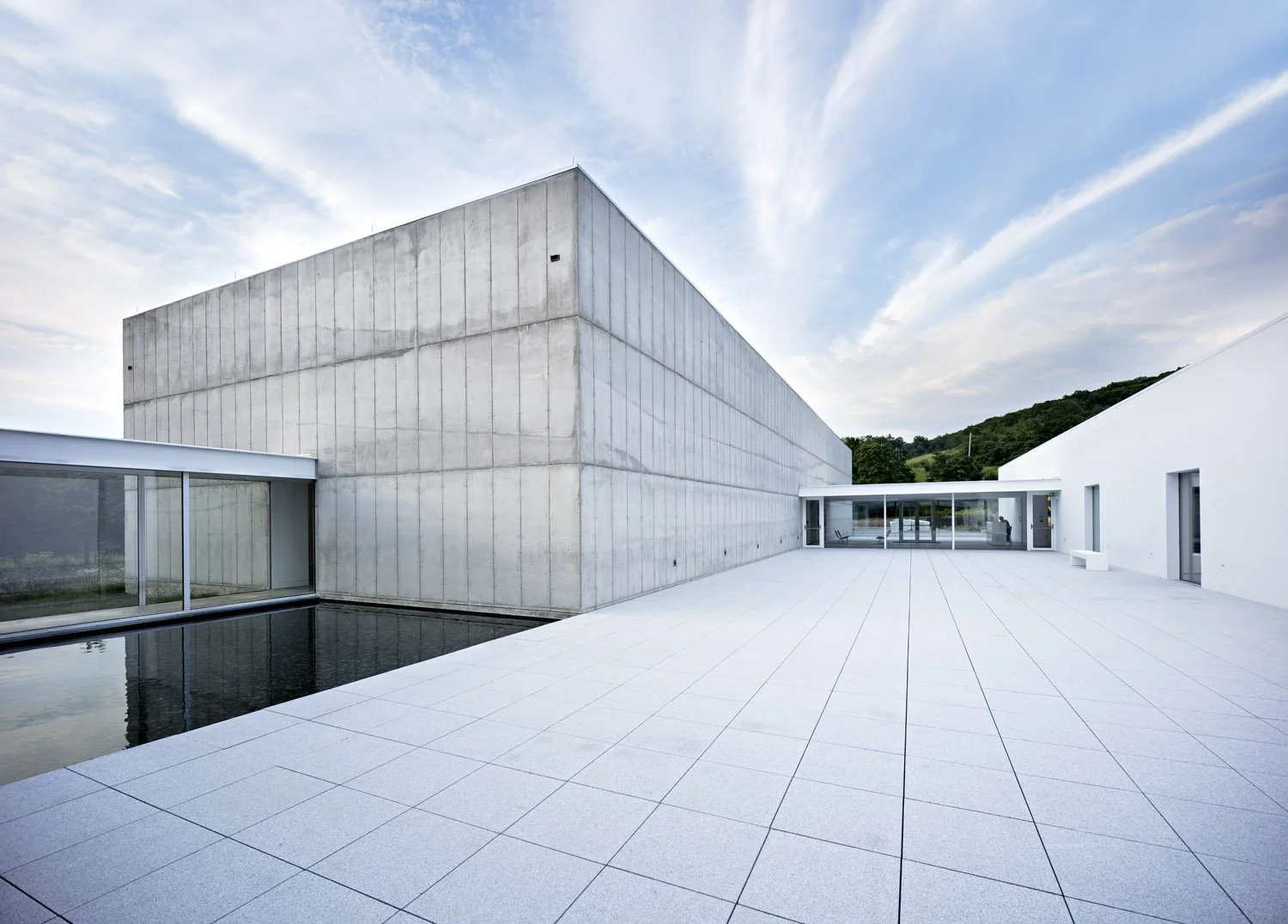
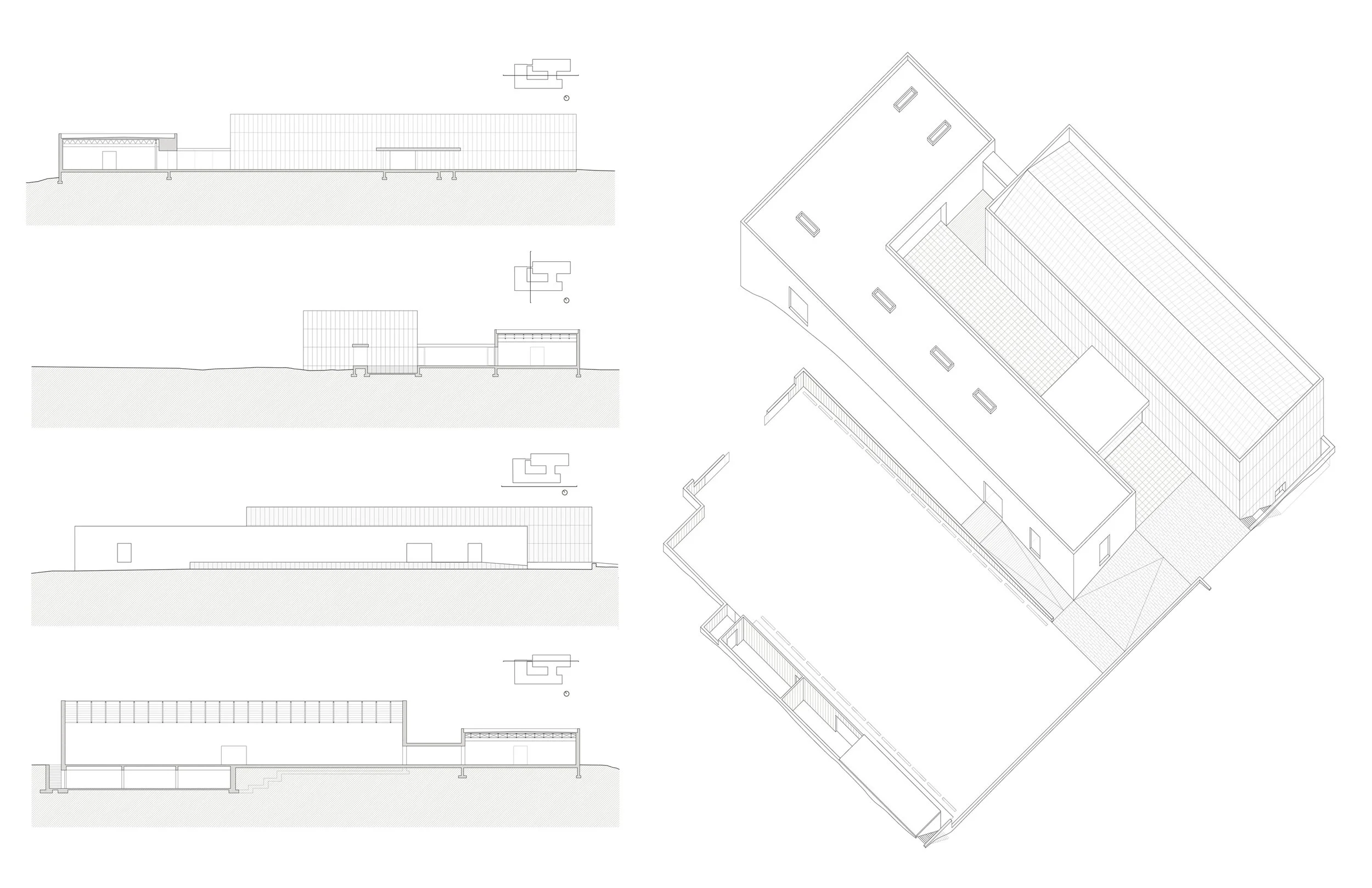
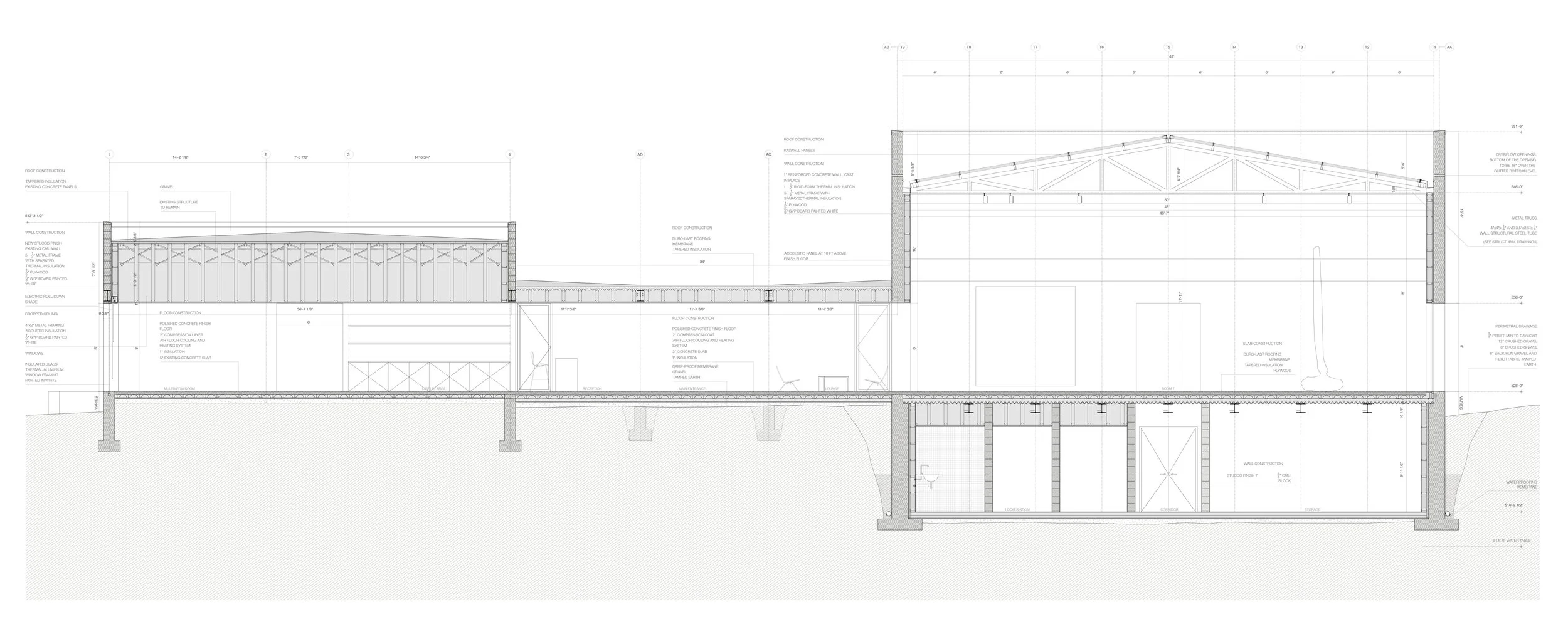
Requiring a taller clearance, as well as highly controlled natural light, the collection itself offered inspiration for a simple geometric approach: closing off the existing L-shaped building into a full rectangle with a central courtyard. Therefore, we proposed an independent structure running parallel to the longer part of the existing building and two glass connectors linking both structures and emphasizing their lightness in contrast to them.
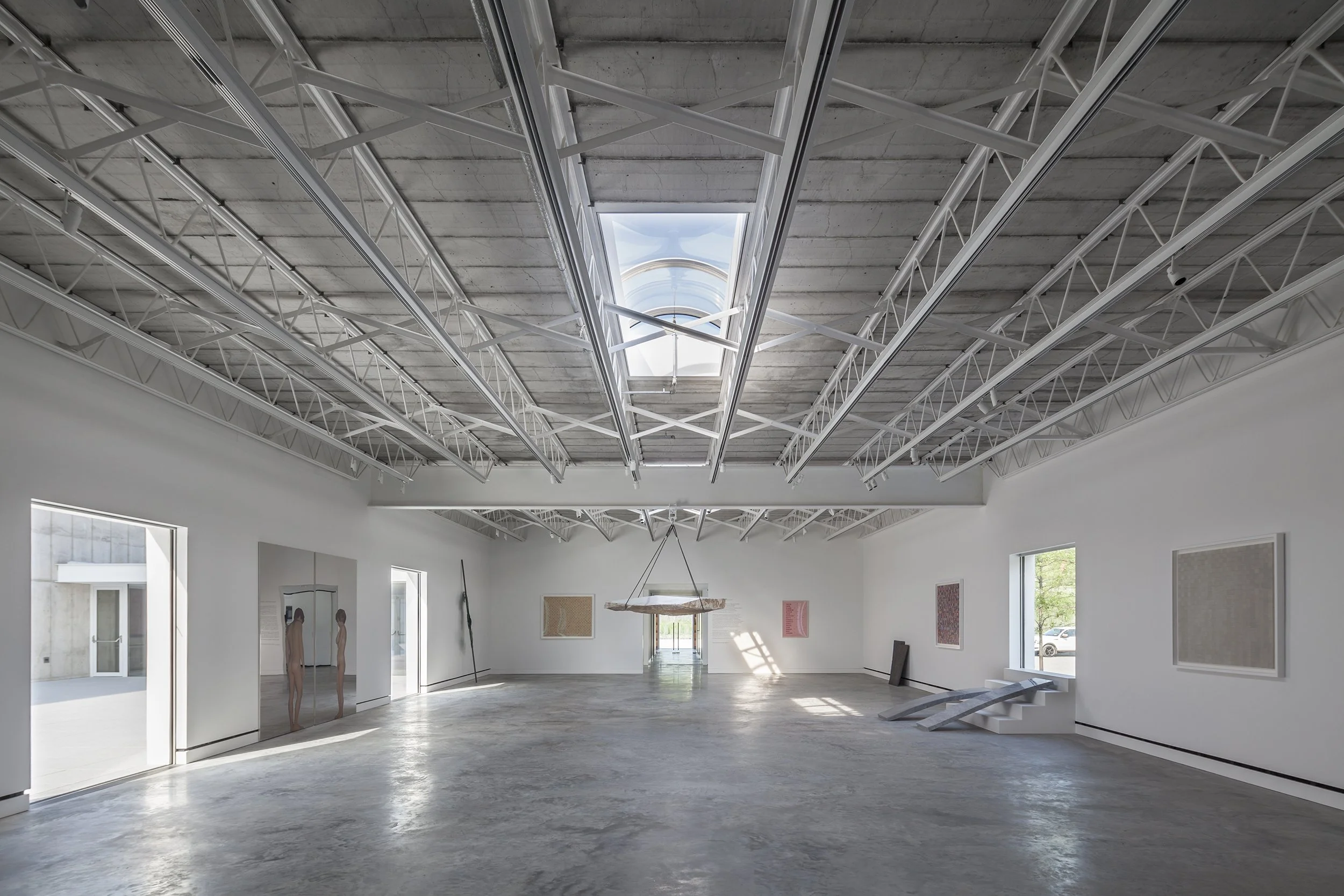
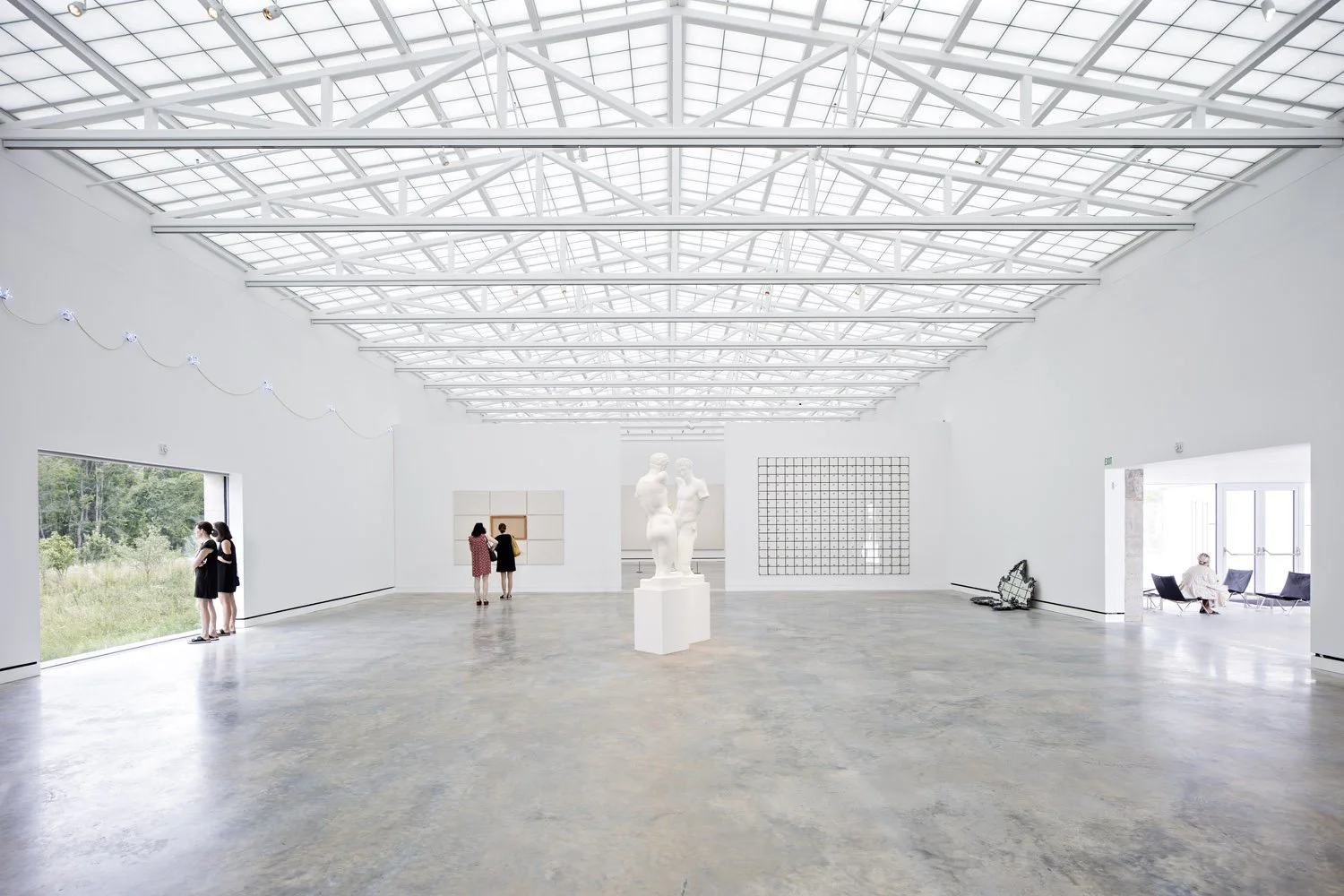
Consequently, we established a dialogue between the new and existing buildings, enhanced and reinforced by the treatment and behavior of natural light. Skylights align with the main pathways through the existing building to provide specific, solid areas of direct light. In contrast, the expansion offers a fainter light, indirect, yet uniform throughout to emphasize the whole. In both spaces, we maximized the flexibility of artificial light with track lighting that crosses the lower interior cordons of the joist.
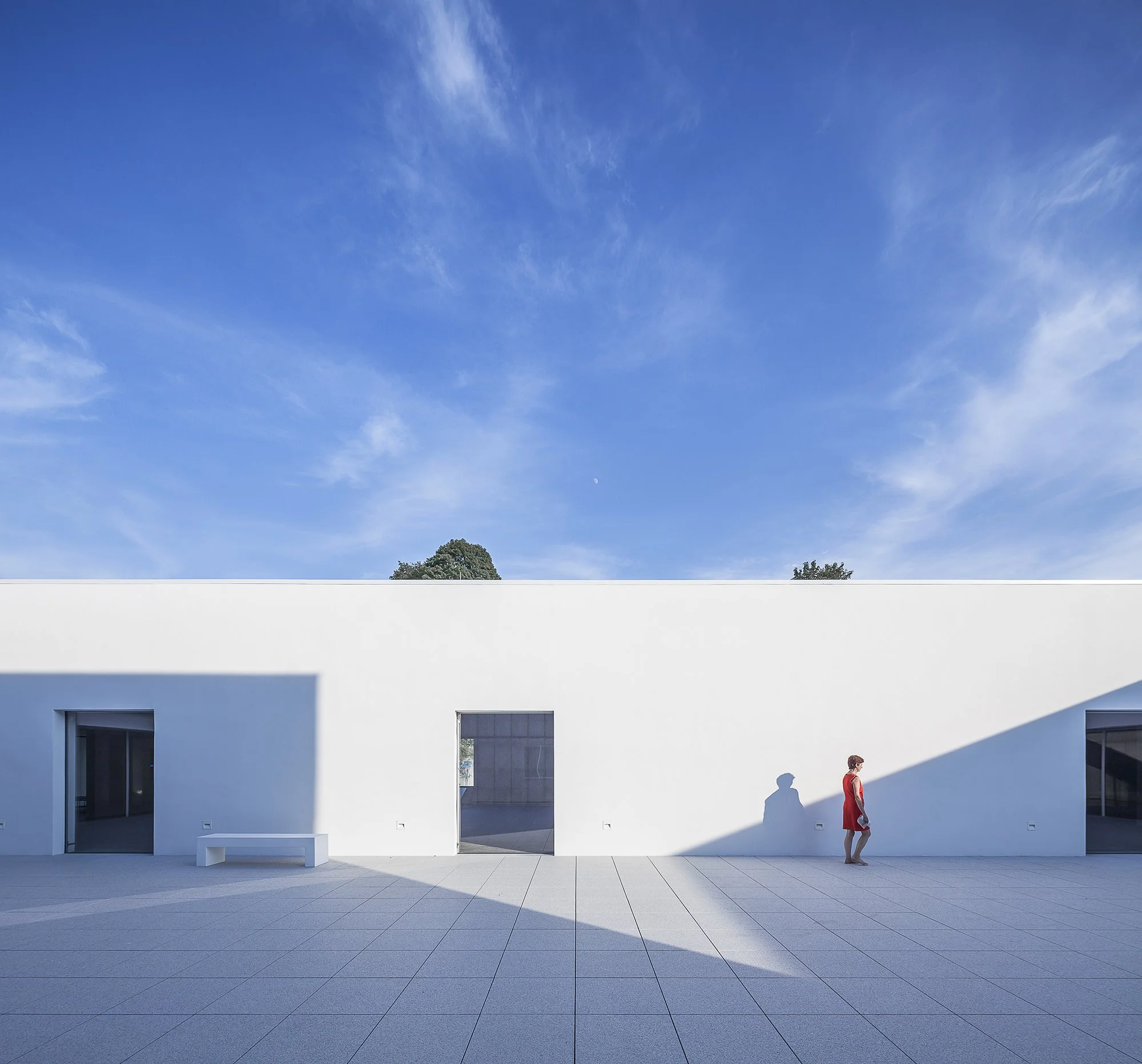
The contrast continues with each building’s relationship to the larger site. The existing structure opens up to the courtyard, while the addition only opens a panoramic window to the wetlands. The central courtyard serves as a virtual room, an extension of the lobby, while the reflecting pool regularizes its geometry and facilitates the transition between the existing building and the addition. The planar geometry results in a circular circulation pattern that coaxes visitors to follow an intuitive sequence of rooms punctuated by framed exterior views that offer relief—nature juxtoposed to the art.
Magazzino, which means warehouse in Italian, pays homage to its name and the Arte Povera collection it houses. While the artists worked with elements considered to be poor, low-quality, or readily available, we followed this philosophy in the construction, using simple components and building techniques. The “in situ” formwork concrete wall, shaped with phenol-treated wood panels, makes up the skin of the new container; the roof cover is a simple structure with metal gable trusses, and the white interior walls create a neutral backdrop for enjoying art.
Awards
2018 AIANY Design Awards 2018 Honorable Mention AN Best of Design Award for Cultural Space 2018 Runner Up Building of The Year Award by American-Architects 2019 Longlisted Dezeen Awards Architecture 2019 Dedalo Minosse International Prize, Regione del Veneto Special Award 2022 IDA Design Awards Gold 2022 Architecture MasterPrize, Cultural category 2022 London International Creative Competition- Official Selection 2023 BUILD- Home and Garden Awards, Best Building Design Company- New York
Architect: Miguel Quismondo Completed: 2017 Area: 25,000 SF Client: Nancy Olnick and Giorgio Spanu Project Architect: Jesús Aparicio Alfaro Collaborators: Rocío Calzado López and Miguel Bello Escribano Structural Engineer: Michael P. Carr, P.E. MEP Engineer: CES-Consulting Engineering Services Engineers Lighting Consultant: MAP Design Studio Cost Consultant: Stuart-Lynn Company Graphic Designer: WCD-Waterhouse Cifuentes Design Photography: Javier Callejas, Montse Zamorano