
NEWSLETTER
NEWSLETTER
SUBSCRIBE
SUBSCRIBE
July 1st, 2026
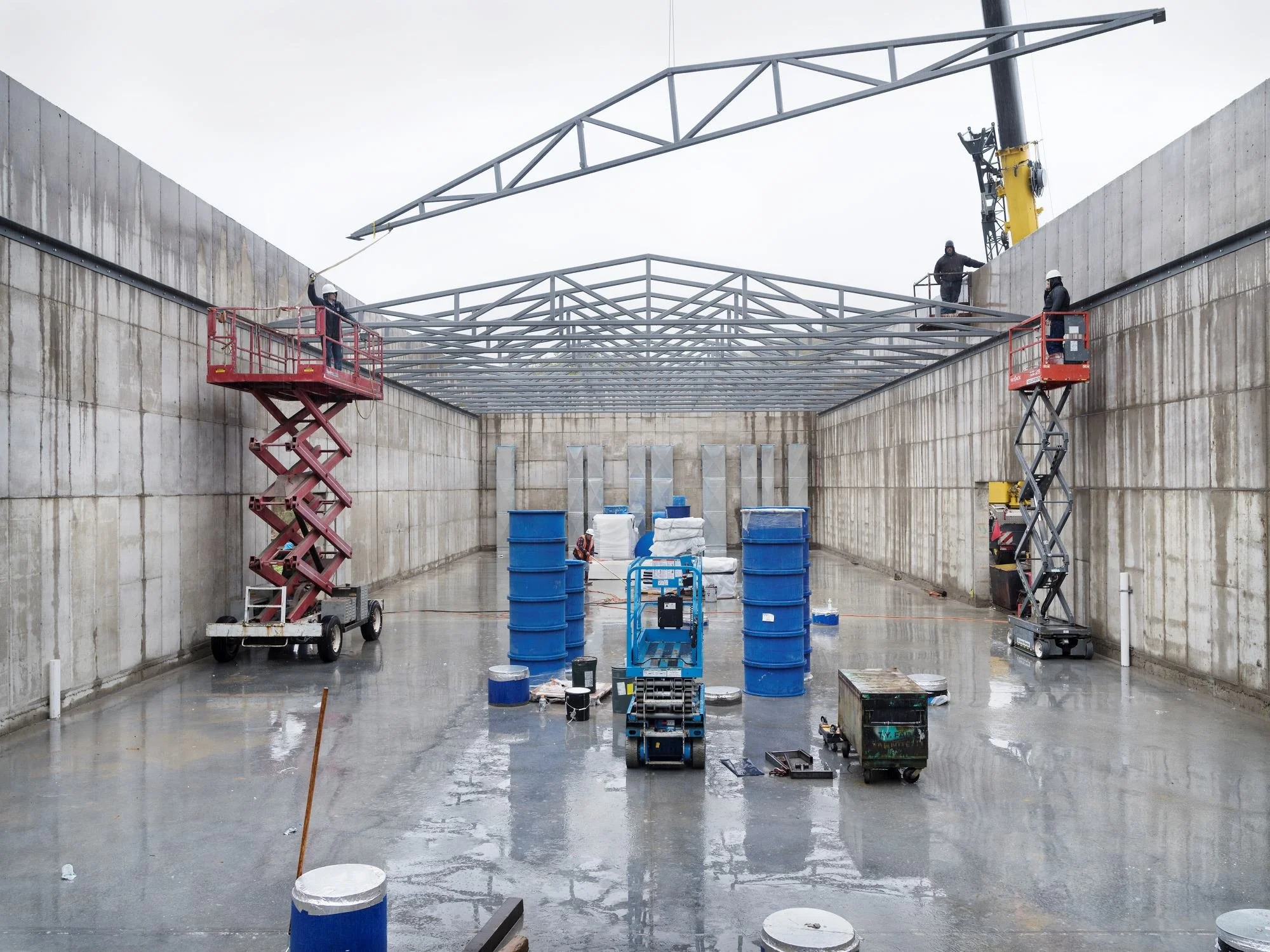
Good architecture depends on more than a good architect
We like to think architecture begins with an idea, but experience keeps reminding us that an idea is only as strong as the people entrusted to carry it forward. A project depends on architects, consultants, expeditors, contractors, and tradespeople sharing the same care, attention, and sense of responsibility. We have recently felt, sometimes painfully, how a missed dimension, a poorly anticipated problem, or careless execution can compromise years of thought in a matter of hours. Good architecture is not simply designed; it is protected, understood, and built by a team that truly cares.
Current Thoughts
June 20th, 2026
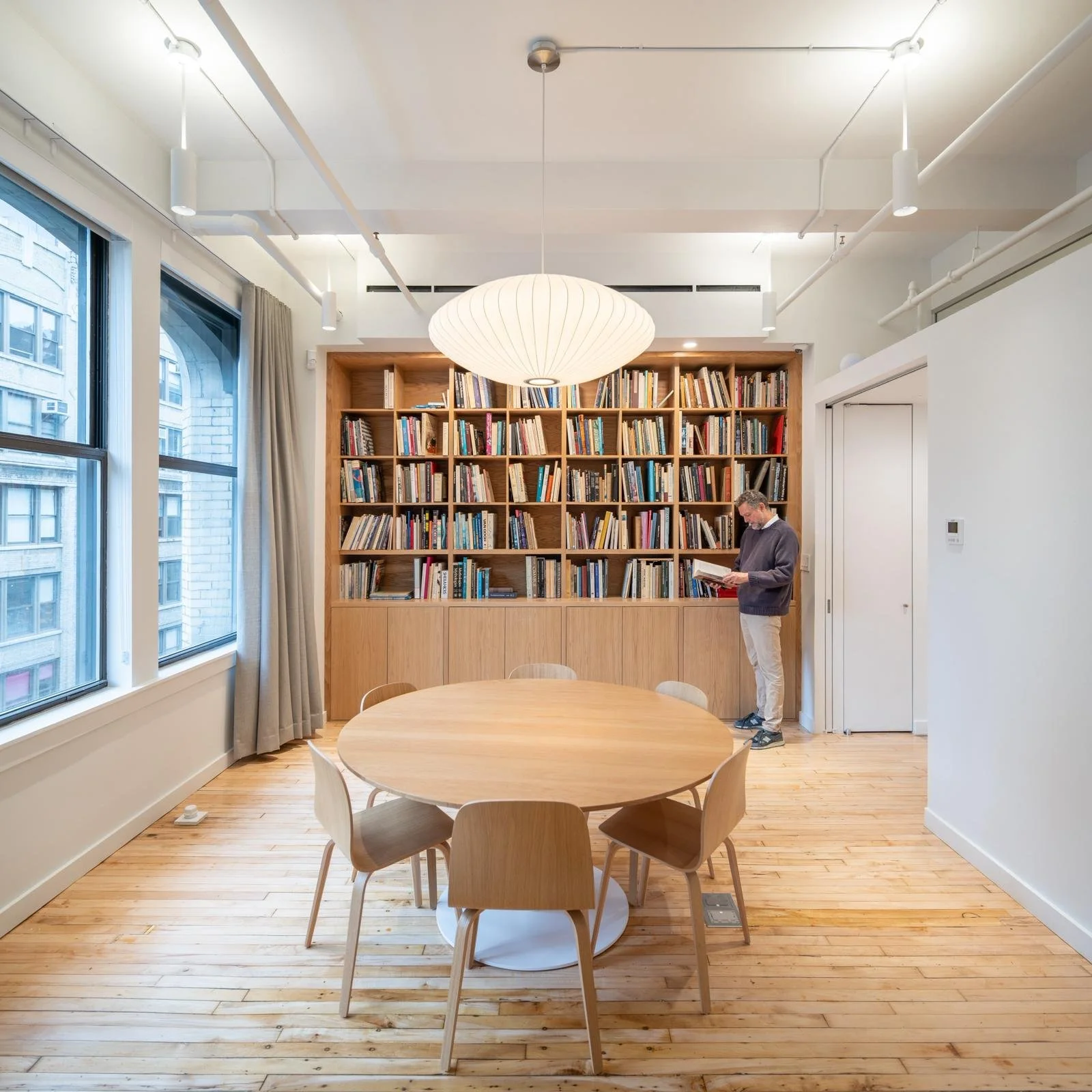
A New Home for the EMATM Foundation
We completed the new headquarters for Emily Mason & Alice Trumbull Mason Foundation. The project creates a new home for research, exhibitions, archival work, and the Foundation’s growing activities.
Project update
June 10th, 2026
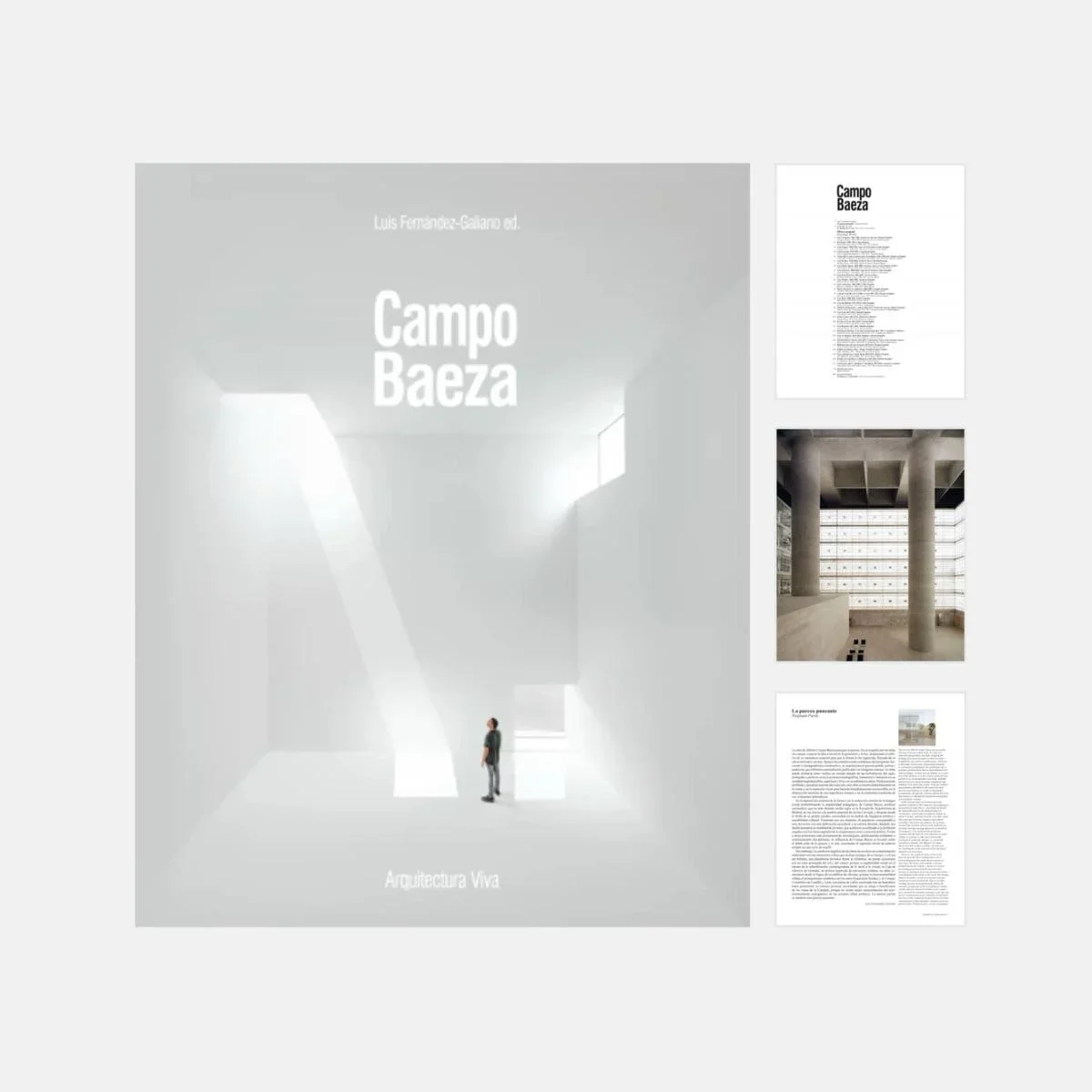
On the Cover Alberto Campo Baeza’s Latest Monograph
Published by Arquitectura Viva, Alberto Campo Baeza’s latest monograph features the Robert Olnick Pavilion on its cover. It also includes the Olnick Spanu House, another collaboration between MQ Architecture and Campo Baeza.
Project update
May 15th, 2026
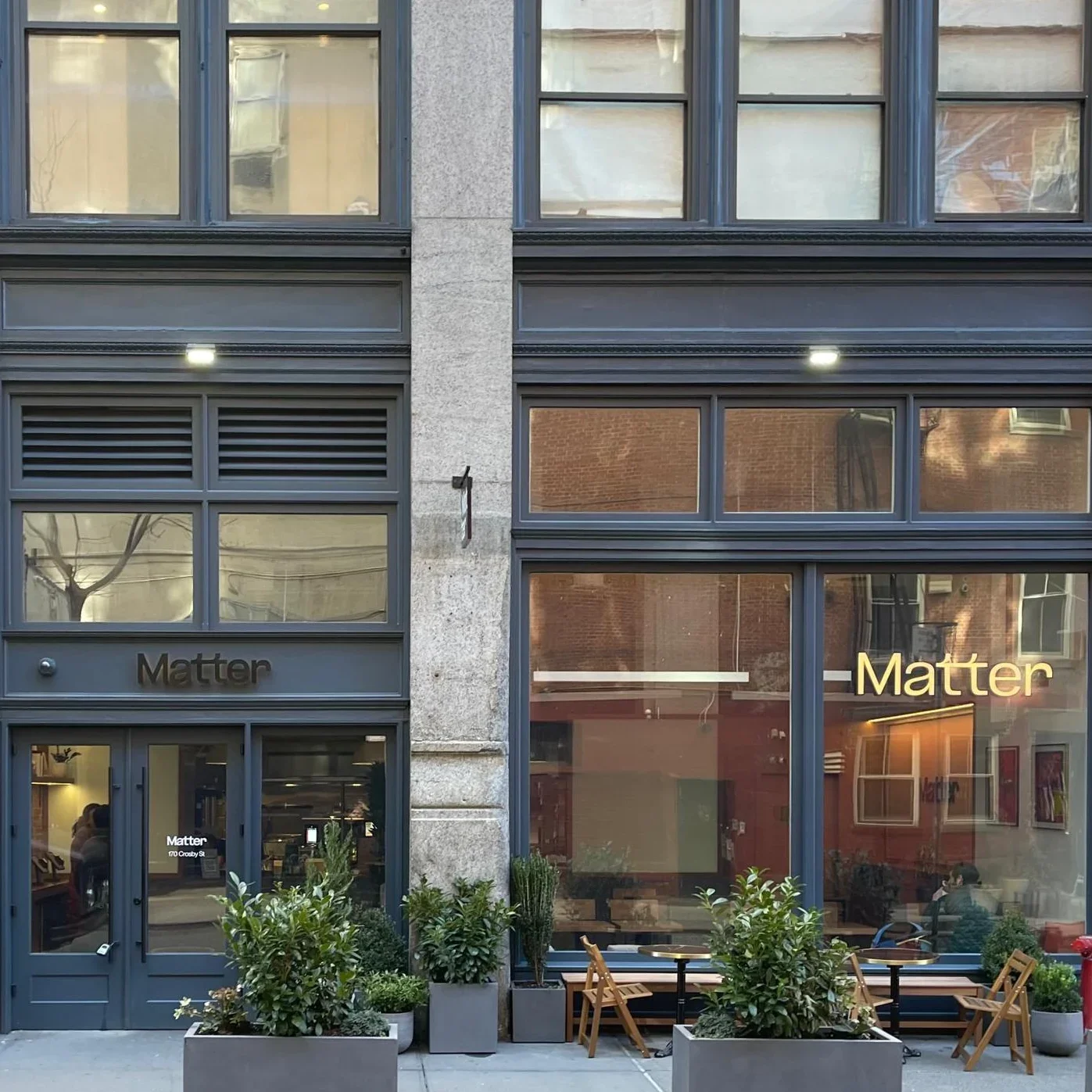
Designing Matter Formula in Noho
Exposed brick, warm wood, carefully integrated lighting, murals, and graphic elements come together to translates the brand’s identity into a cohesive spatial experience
Project update
May 1st, 2026
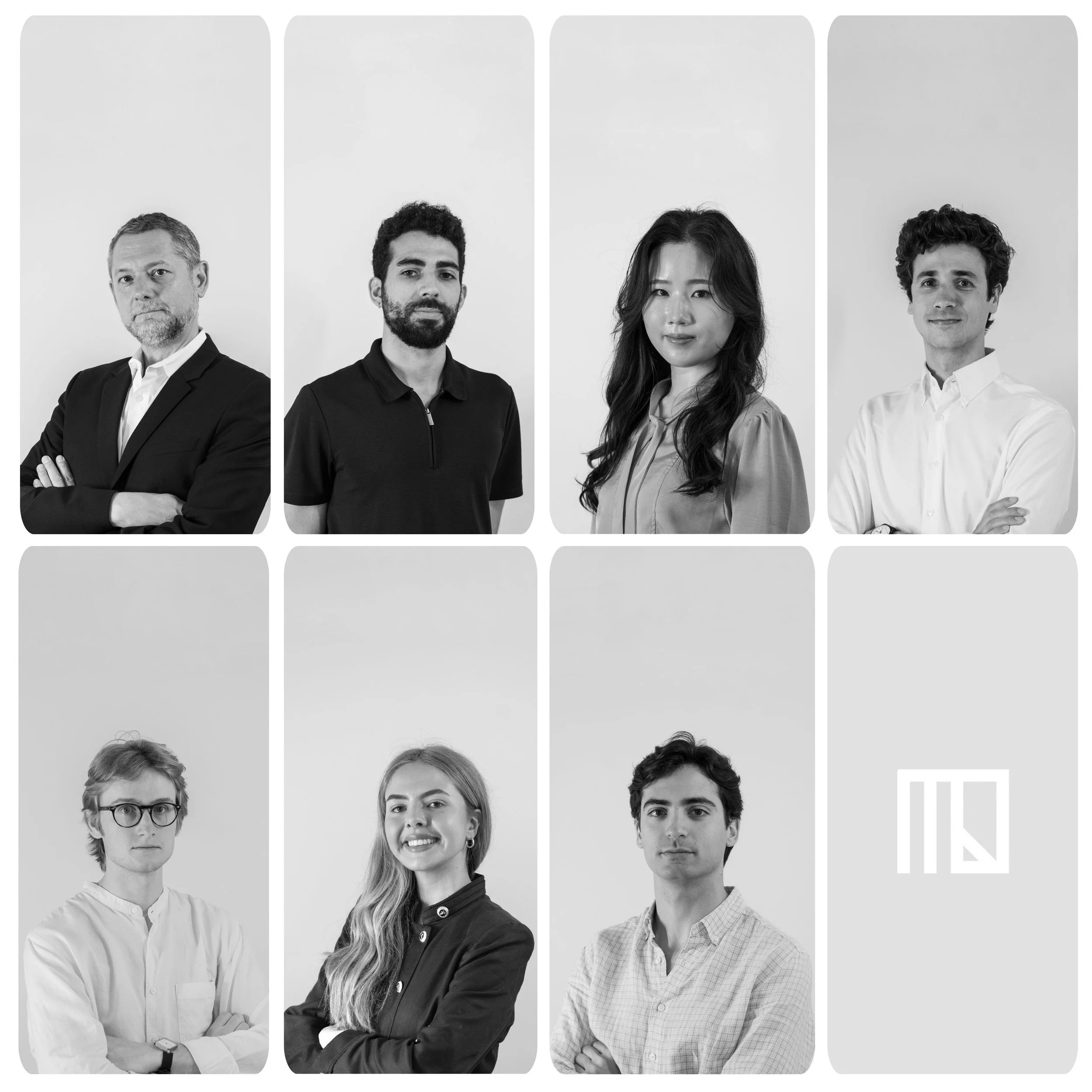
A Growing Team
Our team continues to grow with the addition of architect Javier Nuñez, recipient of the prestigious Arquia Scholarship, and graphic designer Jiwon Kang. William Mulvihill has also joined the practice full-time, further strengthening our multidisciplinary approach.
Studio News
April 10th, 2026
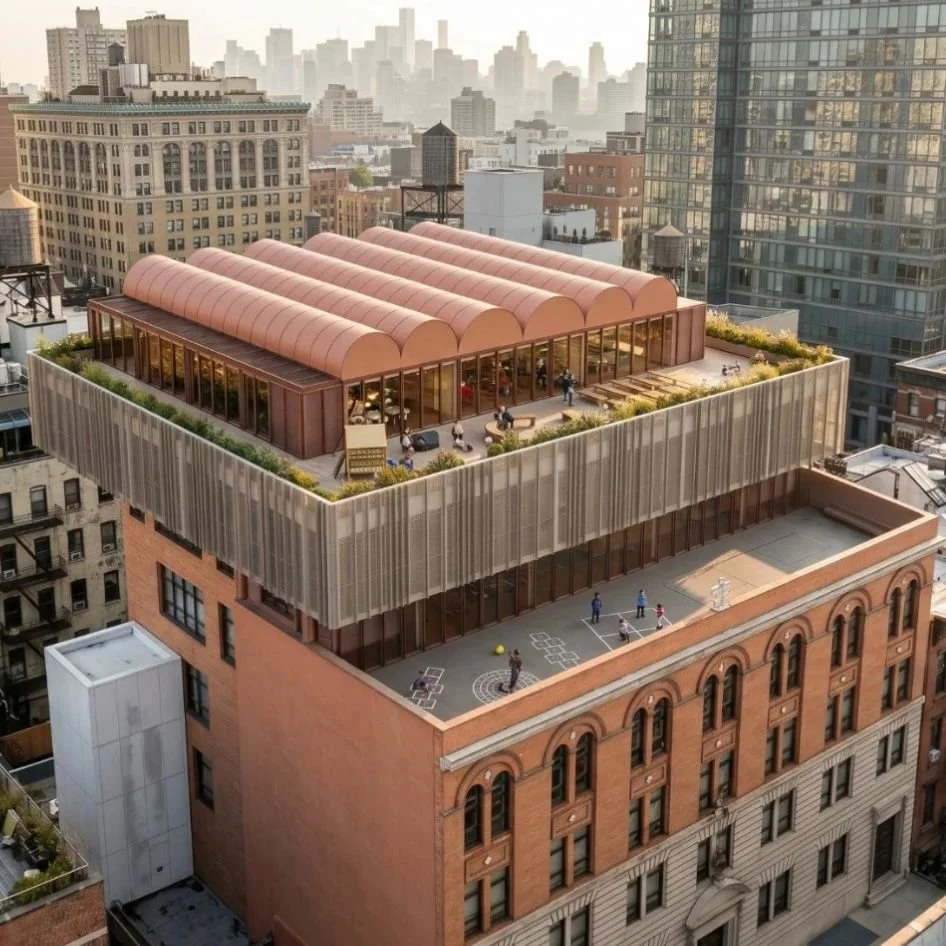
A New Vision for Geneva School of Manhattan
Our studio was invited to participate in a shortlisted RFP for the Geneva School of Manhattan expansion. Our proposal envisions a light and contemporary architecture, with flexible learning spaces designed to support the school’s future growth.
Project update
March 19th, 2026
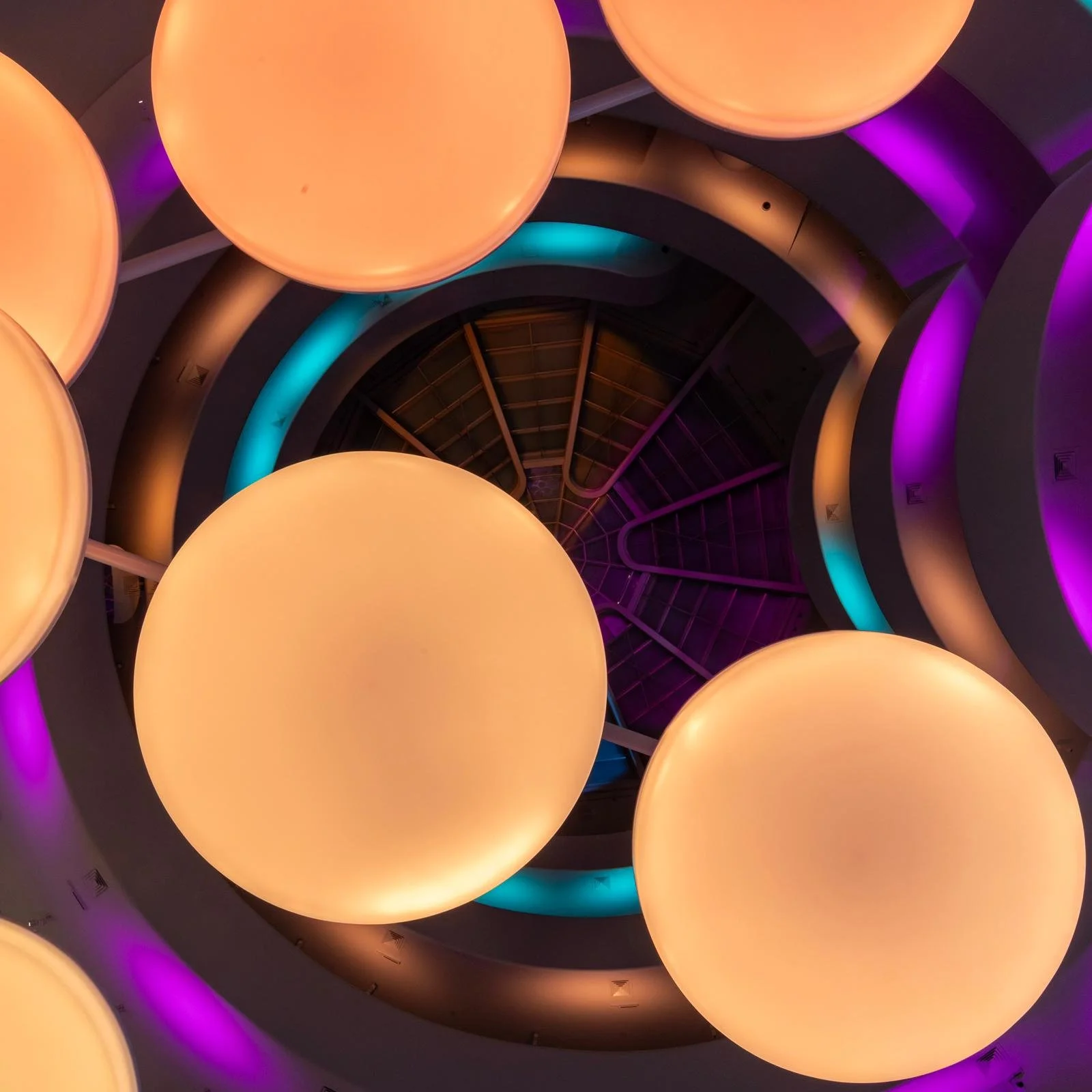
We created a Forest of Lights at the Guggenheim Museum
Most of what we design never sees the light of day, and that’s where architecture truly begins. The drawings that stop mid-line, the projects that fade before construction, and the ideas left waiting in folders all shape the ones that eventually make it. What remains unbuilt is not wasted, it is formative.
Unbuilt and lost projects train intuition, sharpen judgment, and shape the soul of a practice. They leave traces that resurface later, in details, in decisions, in restraint. Every finished building stands on a mountain of invisible work, on all the futures that never were. Architecture, in the end, is built twice: once in thought, and once in matter.
Project update
March 10th, 2026
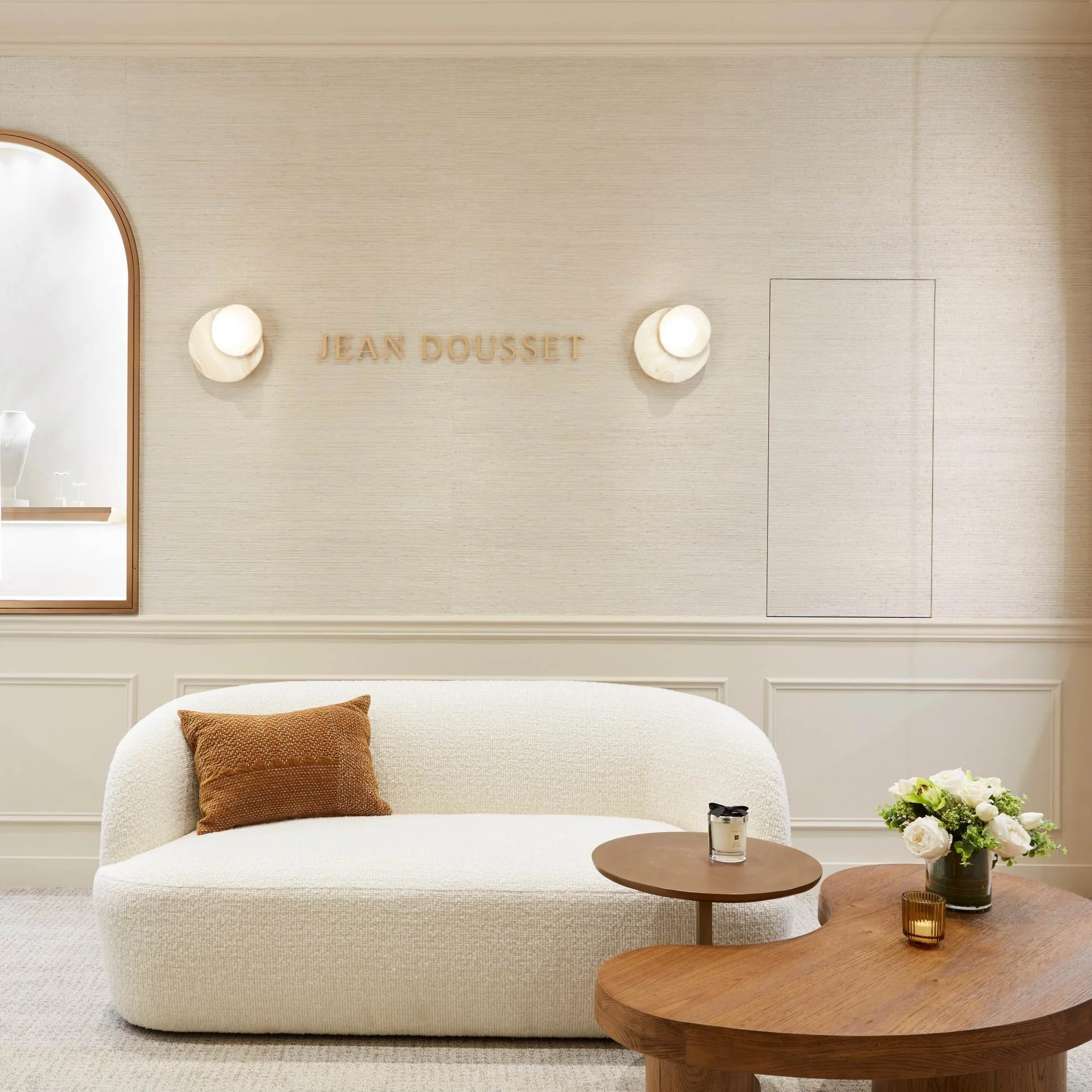
Beyond SoHo Supporting Jean Dousset's Expansion
Since the opening of Jean Dousset’s flagship store in SoHo, our collaboration with the brand has continued with the development of new locations nationwide, we will be working on four new spaces before the year ends.
Project update
February 27th, 2026
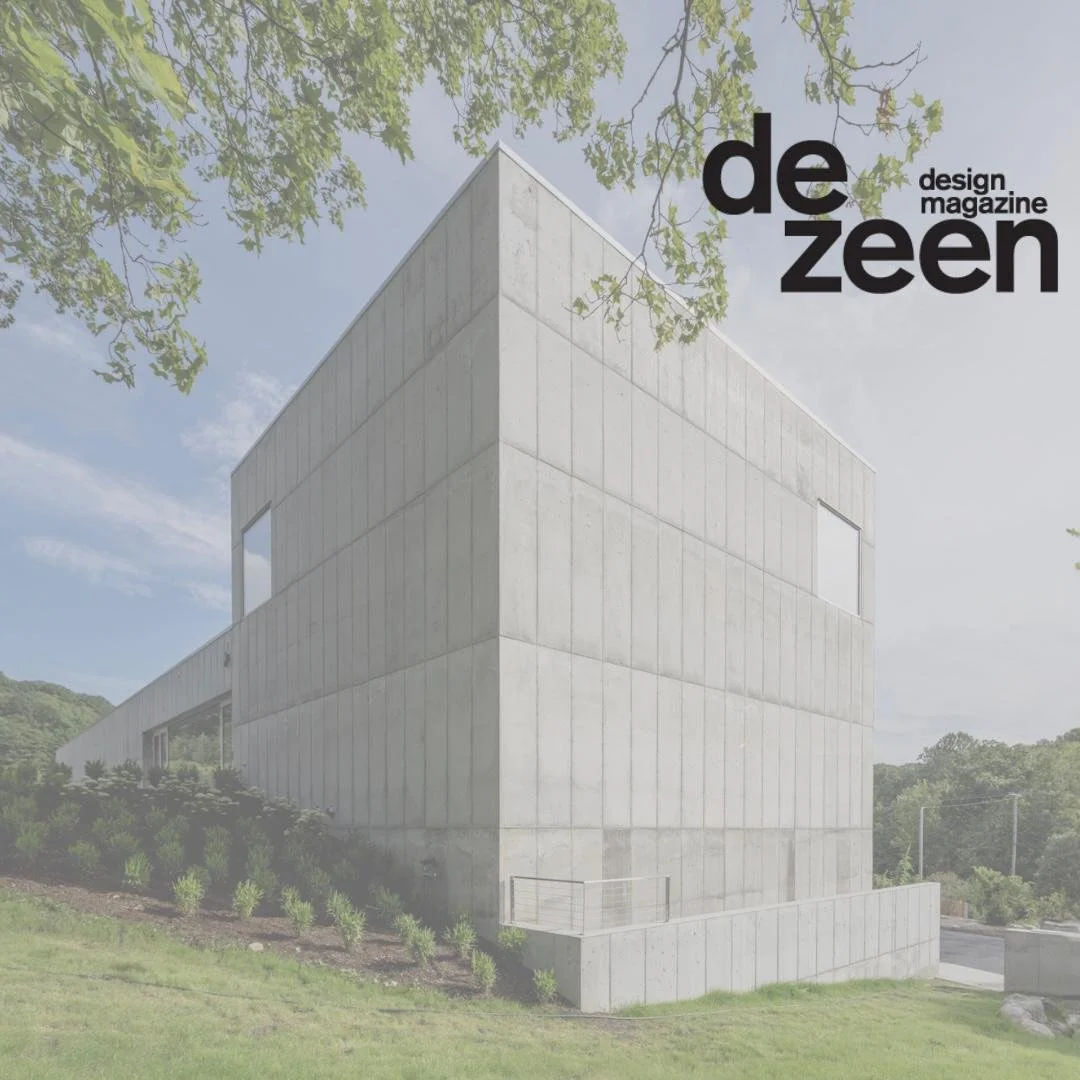
The Robert Olnick Pavilion Recognized by Dezeen
As part of Dezeen’s annual architecture selection, the Robert Olnick Pavilion has been recognized as one of the most notable projects in the United States for 2026.
Studio News
January 23rd, 2026
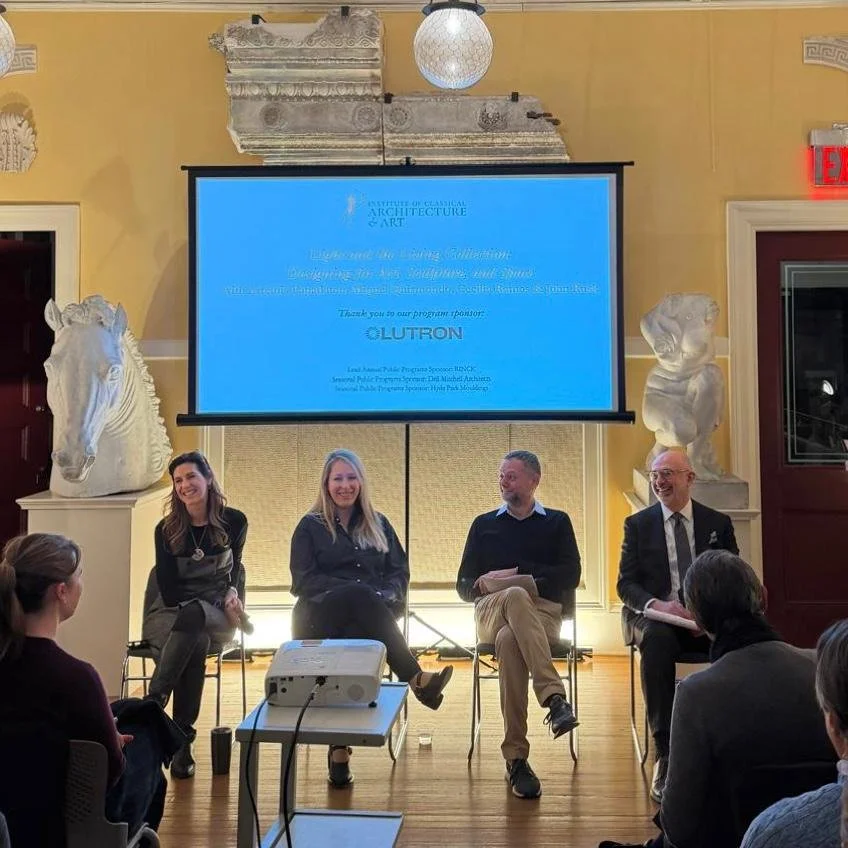
Miguel joined a panel hosted by the Institute of Classical Architecure
Miguel Quismondo, joined a panel hosted by the Institute of Classical Architecture & Art in New York, sharing insights with leading professionals on the role of light in shaping the relationship between art, space, and architecture.
Architecture, Art, and Light A Dialogue That Inspires
December 10th, 2025
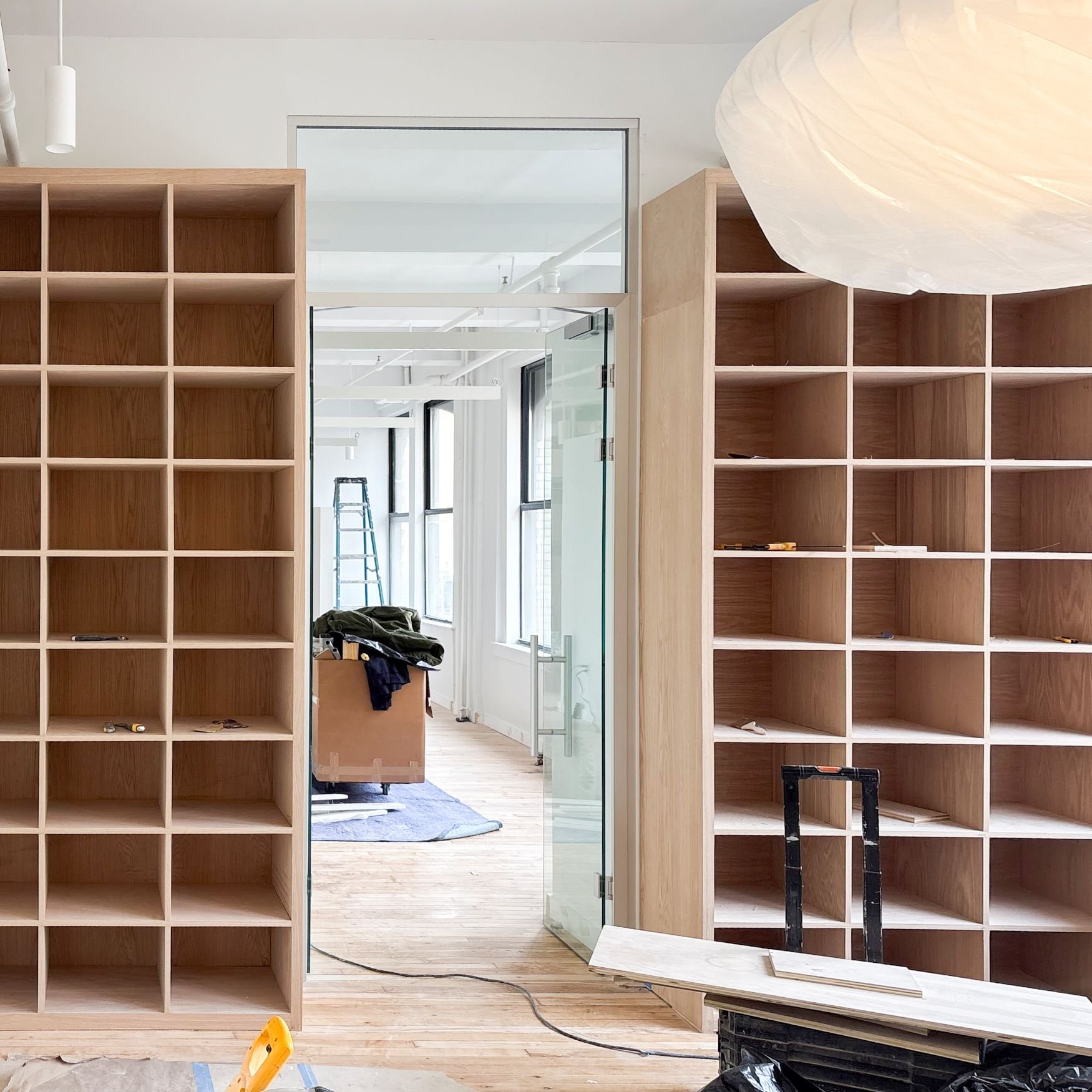
EMATM foundation nearing completion
The new headquarters for the Emily Mason & Alice Trumbull Mason Foundation is approaching completion. We are currently in the final stages of millwork, with the architectural elements of the interior coming together in preparation for occupancy.
As the space nears completion, it is being readied to receive and house the Foundation’s archives and body of work. Designed to unite workspace and exhibition under one roof, the project provides a permanent home for the legacy of the Foundation while creating a flexible environment for research, reflection, and public engagement.
Project update
December 1st, 2025
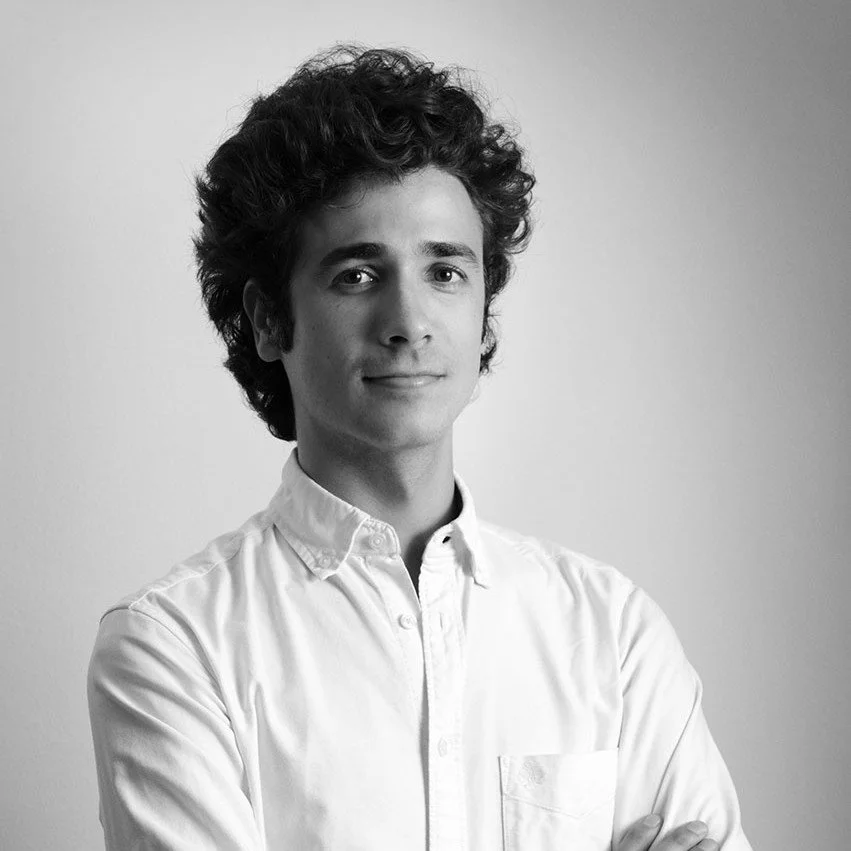
Ignacio became an Associate
Ignacio joined MQ Architecture in 2022, contributing to the final stages of the Robert Olnick Pavilion. Since then, he has played a prominent role across the studio’s work, including many of its major residential brownstone and townhouse renovations, such as the Contemporary Carriage House, as well as multiple office projects, including Magazzino’s headquarters. He has also been responsible for several of the studio’s culture-focused projects, including exhibition design and the construction of art installations such as the Bush Terminal sculptures.
His appointment as Firm Associate reflects his leadership within the practice and his continued involvement in shaping the firm’s architectural direction, project delivery, and collaborative culture.
Team News
November 21st, 2025
Architects for Port Authority
MQ Architecture has qualified to be part of the Port Authority’s pool of professional architects authorized to deliver projects on a design-build basis. This qualification positions the firm to contribute to new public works across New York and the surrounding region.
We are particularly excited about the opportunity to engage more directly in public architecture, projects intended to be used, shared, and experienced by many
Public Work Ahead
November 7th, 2025
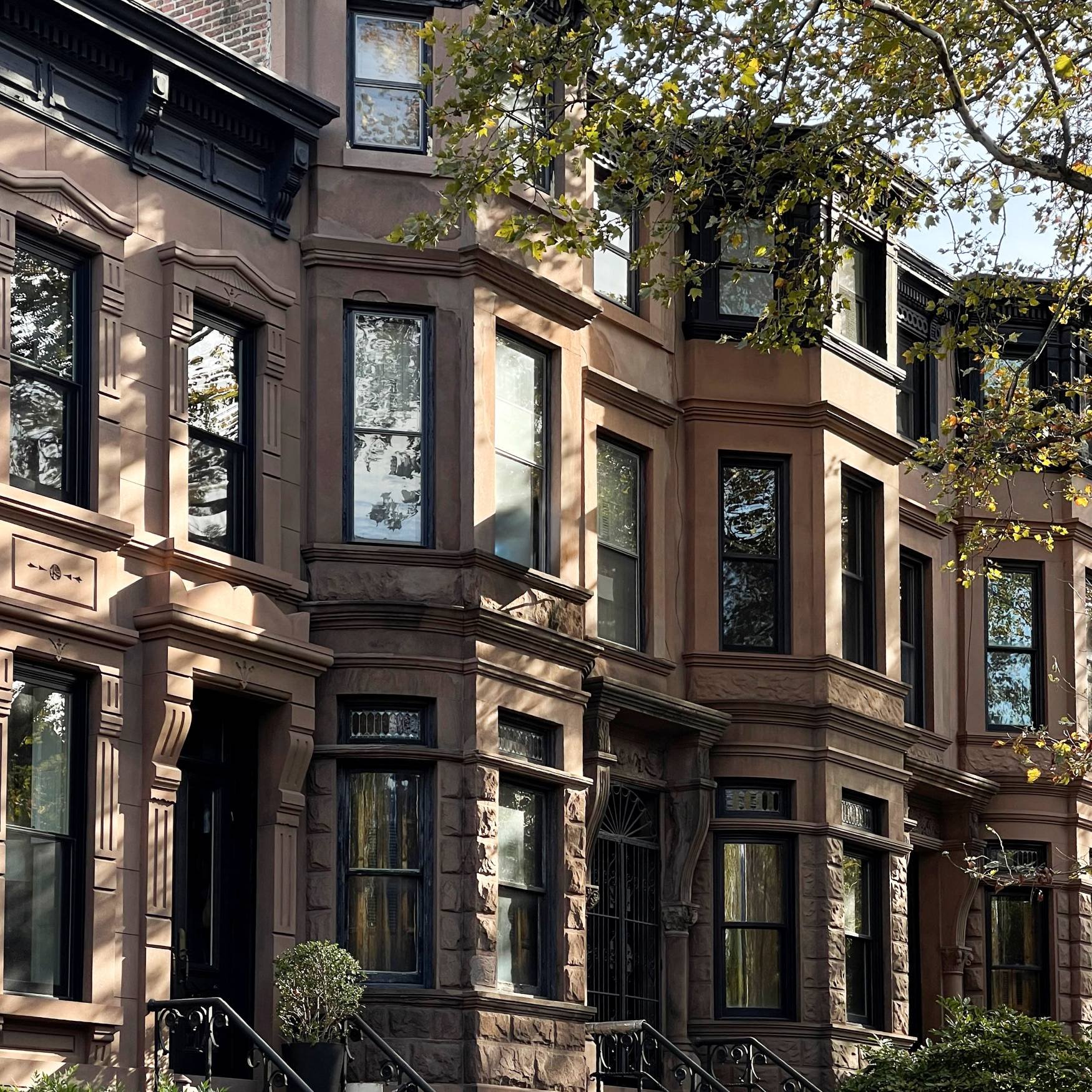
The Mansard Brownstone
The Mansard Brownstone is a new residential project currently under construction. The interior has undergone a full gut demolition, stripping the building back to its original structure. Existing wood joists have been reinforced with sister joists to strengthen the century-old building and prepare it for the next phase of construction.
The roof structure has been carefully reinforced to support a new third-floor addition constructed in steel. In parallel, foundations have been excavated and poured for a rear horizontal extension, which will house additional ground-floor rooms and support a terrace deck above, connecting the kitchen level to the backyard.
Mechanical and plumbing installations are now beginning, setting the stage for the construction of both the vertical and horizontal additions. The project will feature three front-facing mansard dormers clad in standing-seam metal, marking a contemporary intervention within a historic typology.
New Project
October 10th, 2025
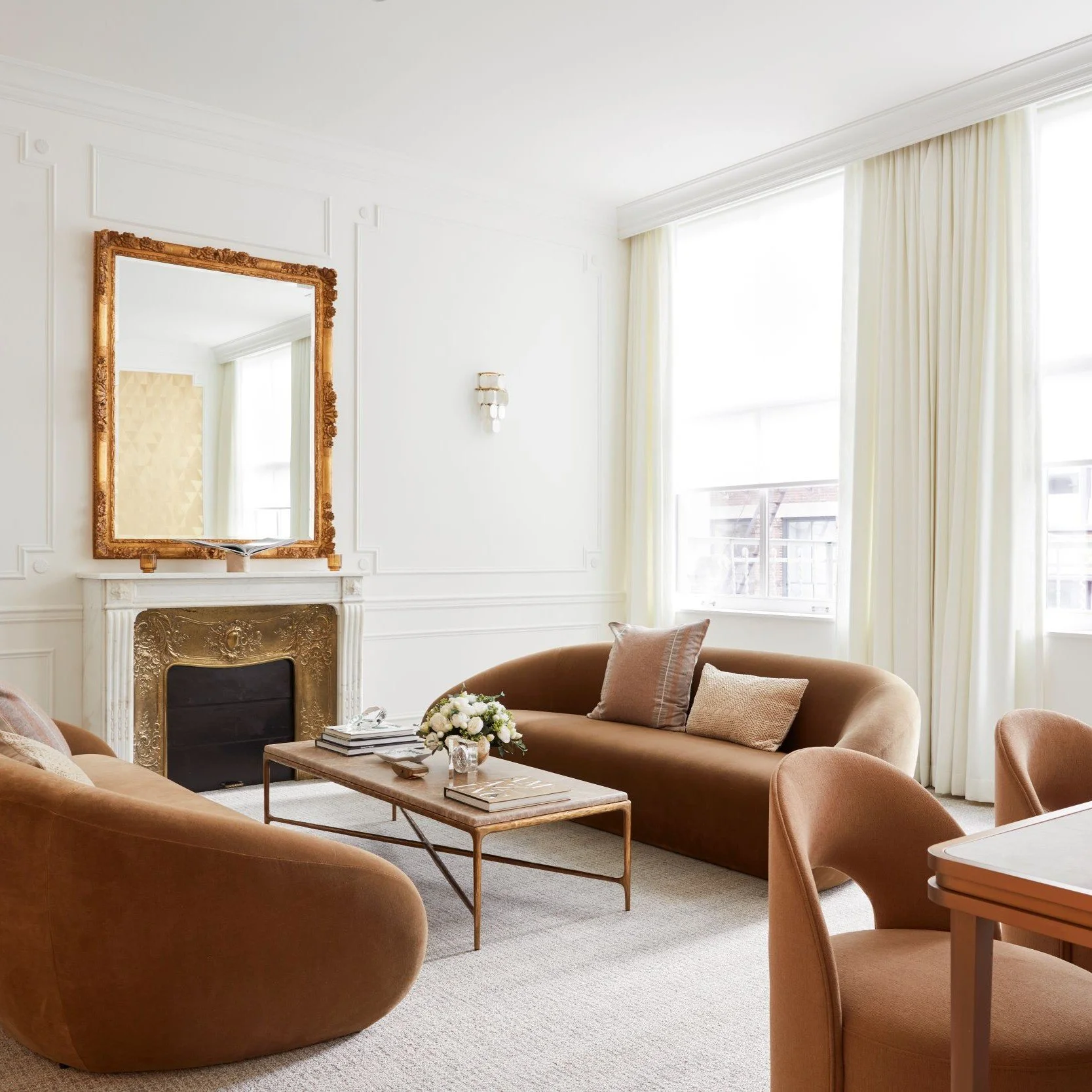
Designing SoHo’s Newest Jewel
Jean Dousset Showroom - New Project
We worked on the Jean Dousset showroom in SoHo, a new retail project developed in close collaboration with Sybille Holmberg. Conceived as an intimate and timeless environment, the project responds to both the contemporary nature of the brand and its historical lineage.
The design engages with the legacy of fine jewelry through architectural restraint rather than overt symbolism. Jean Dousset, the great-great-grandson of Louis Cartier, carries forward a tradition rooted in experimentation and innovation, an approach that informed the spatial language of the showroom. Subtle Parisian references and domestic proportions shape an atmosphere that feels calm, precise, and unforced.
Rather than functioning as a conventional retail space, the showroom was designed to feel more like an apartment, a place defined by warmth, material depth, and quiet confidence. Soft lighting, carefully selected finishes, and a restrained architectural vocabulary allow the jewelry to remain the focal point, while the space itself supports presence, clarity, and conversation.
September 17th, 2025
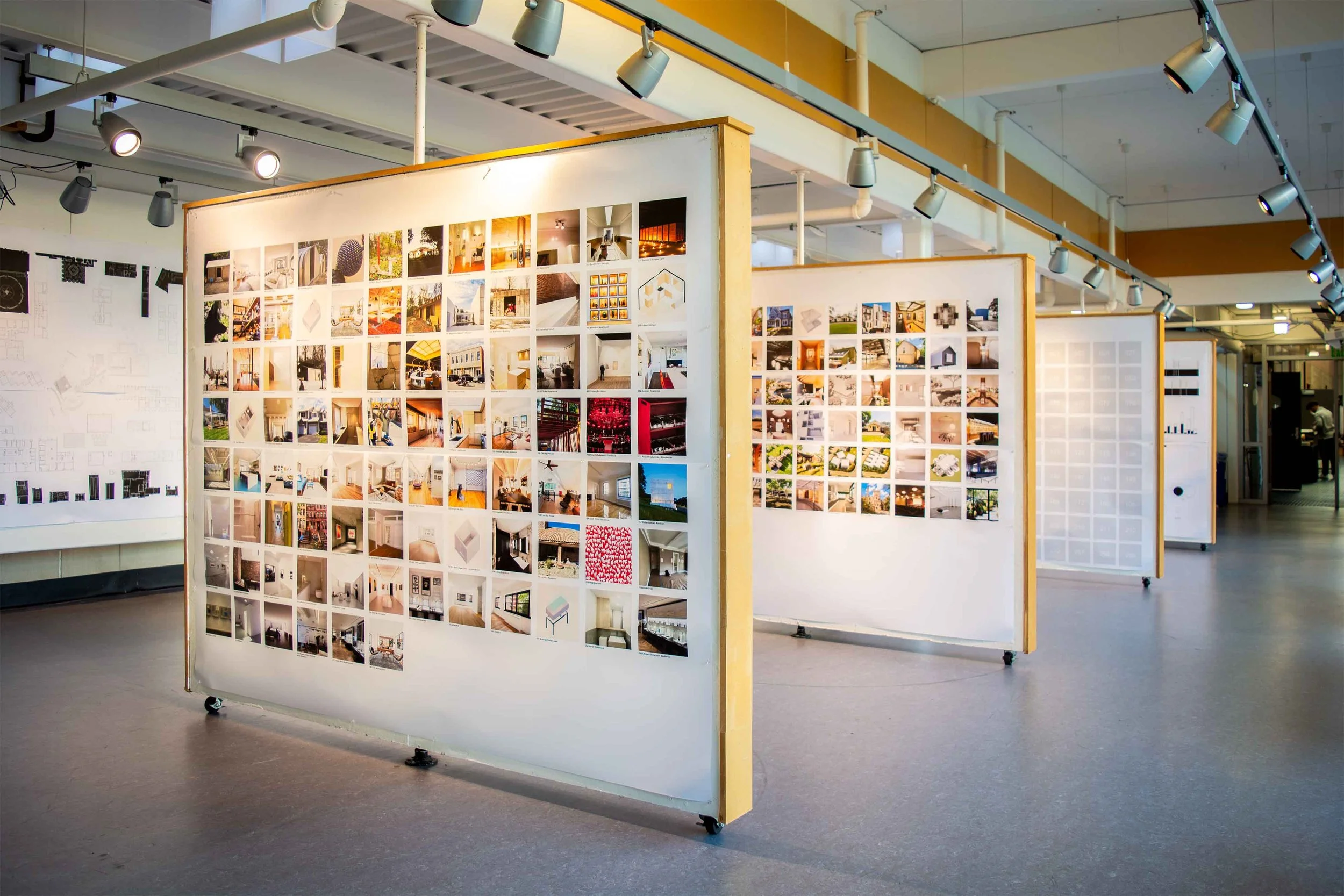
Our exhibition opened at Roger Williams University, revealing the unseen side of practice, the projects that never made it past a sketch, a conversation, or a site visit. Through models, drawings, and films, An Archive of Impossible Futures explores the disproportion between what we imagine and what gets built, turning the unbuilt into a space for reflection and dialogue.
Exhibition at Roger Williams University

September 17th, 2025
The Architect-Builder - Lecture at Roger Williams University
Exploring the relationship between design and construction
On Wednesday, September 17, at the DF Pray Lecture Theatre (ARCH 132) at Roger Williams University, Miguel Quismondo delivered the lecture “The Architect-Builder” as founder of MQ Architecture. The talk explored his architect-builder approach, presenting projects such as the Olnick Spanu House, Magazzino Italian Art, and the Robert Olnick Pavilion, offering an in-depth look at the relationship between conceptual design and hands-on construction.
September 15th, 2025
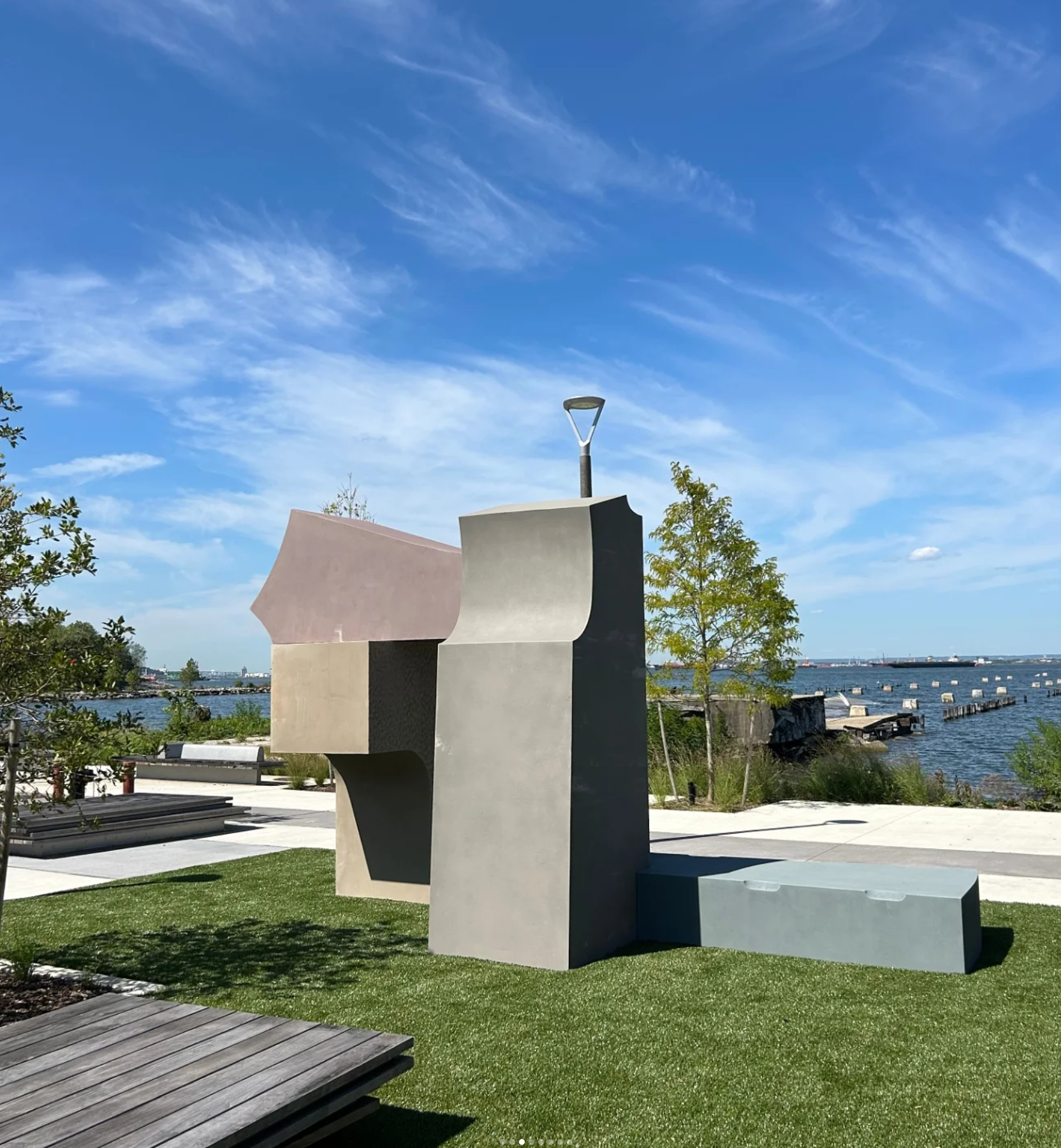
Bush Terminal – Public Art in Progress
Engineering the vision of Ornaghi & Prestinari
In Brooklyn’s Bush Terminal, a former industrial site transformed for cultural use, we are coordinating a public art project commissioned through New York City’s Percent for Art program. The sculptures, designed by Italian duo Valentina Ornaghi and Claudio Prestinari, engage with the site’s history and surroundings. Acting as the artists’ local representatives, MQ Architecture oversees the process from engineering to installation, ensuring both fidelity to the design and technical feasibility. The project is ongoing, with more updates to come.
August 15th, 2025
Why architects should stop apologizing for talking about aesthetics.
Current thoughts
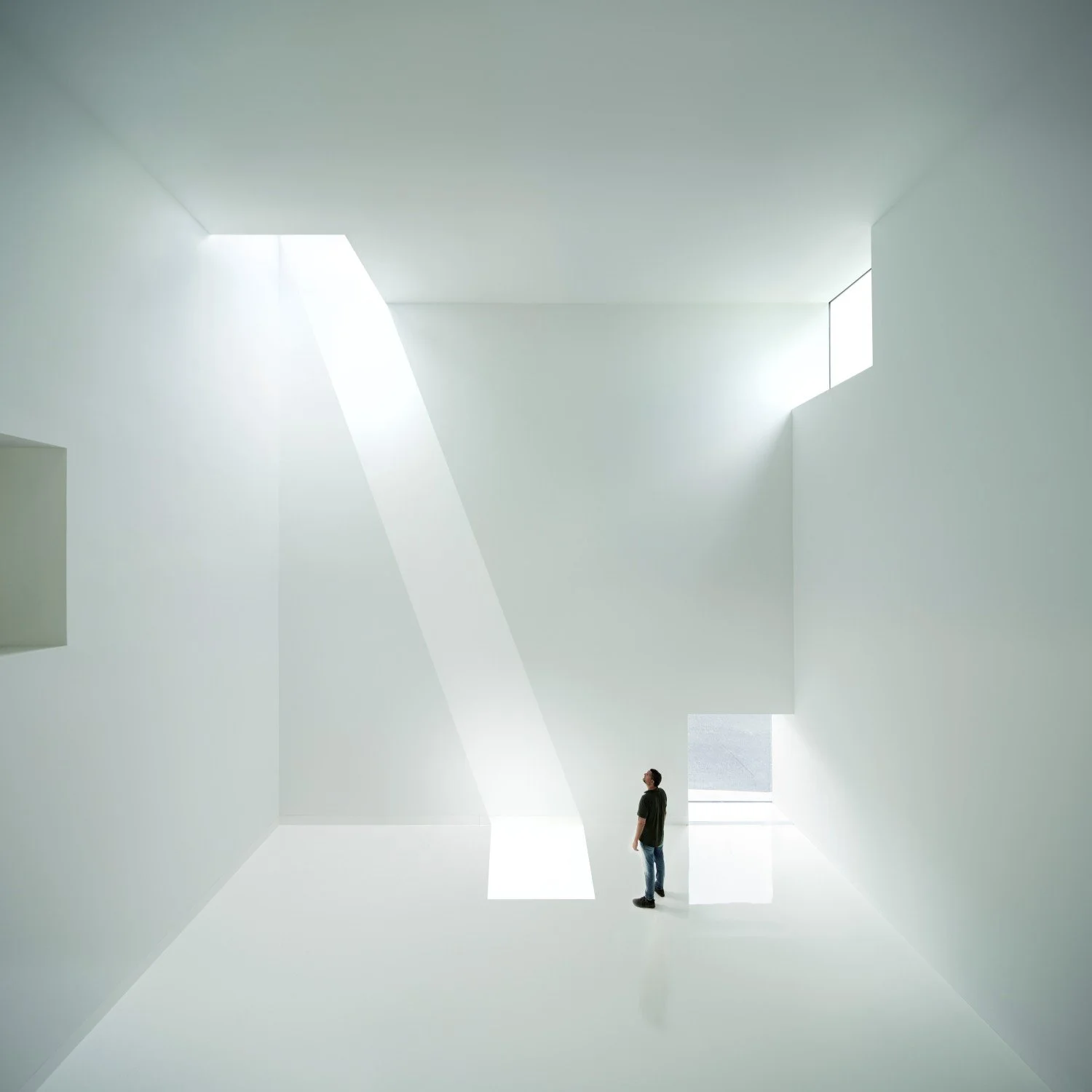
Somewhere along the way, beauty became a guilty pleasure in architecture. We learned to lead with performance, sustainability, compliance, or equity, as if form were indulgent. But aesthetics are not superficial; they’re how space communicates. A beautiful building can invite, inspire, comfort, or challenge. Design that moves people is not less serious, it’s more complete
Over 2,000 years ago, Vitruvius wrote that good architecture rests on firmitas, utilitas, venustas (firmness, usefulness, and beauty). We have become comfortable talking about the first two. We can measure them, regulate them, and prove them. But venustas, the beauty, has been pushed aside, as if it were optional or suspect.
Performance may keep a roof from leaking, but it does not explain why a shaft of light can transform a corridor into an experience, or why we linger in certain plazas long after the practical task is done. To speak about beauty is not to evade responsibility; it is to acknowledge the full responsibility architects carry.
Aesthetics are not frosting on top of function. They are inseparable from the human experience of space. A clinic that feels warm and dignified changes how patients heal. A library that uplifts its visitors changes how knowledge is pursued. Even infrastructure (a bridge, a subway entrance) can elevate daily life when crafted with care for form as well as use.
It’s time we stop treating aesthetics as an afterthought. Vitruvius placed beauty alongside firmness and utility for a reason, without it, architecture is incomplete.
June 3rd, 2025
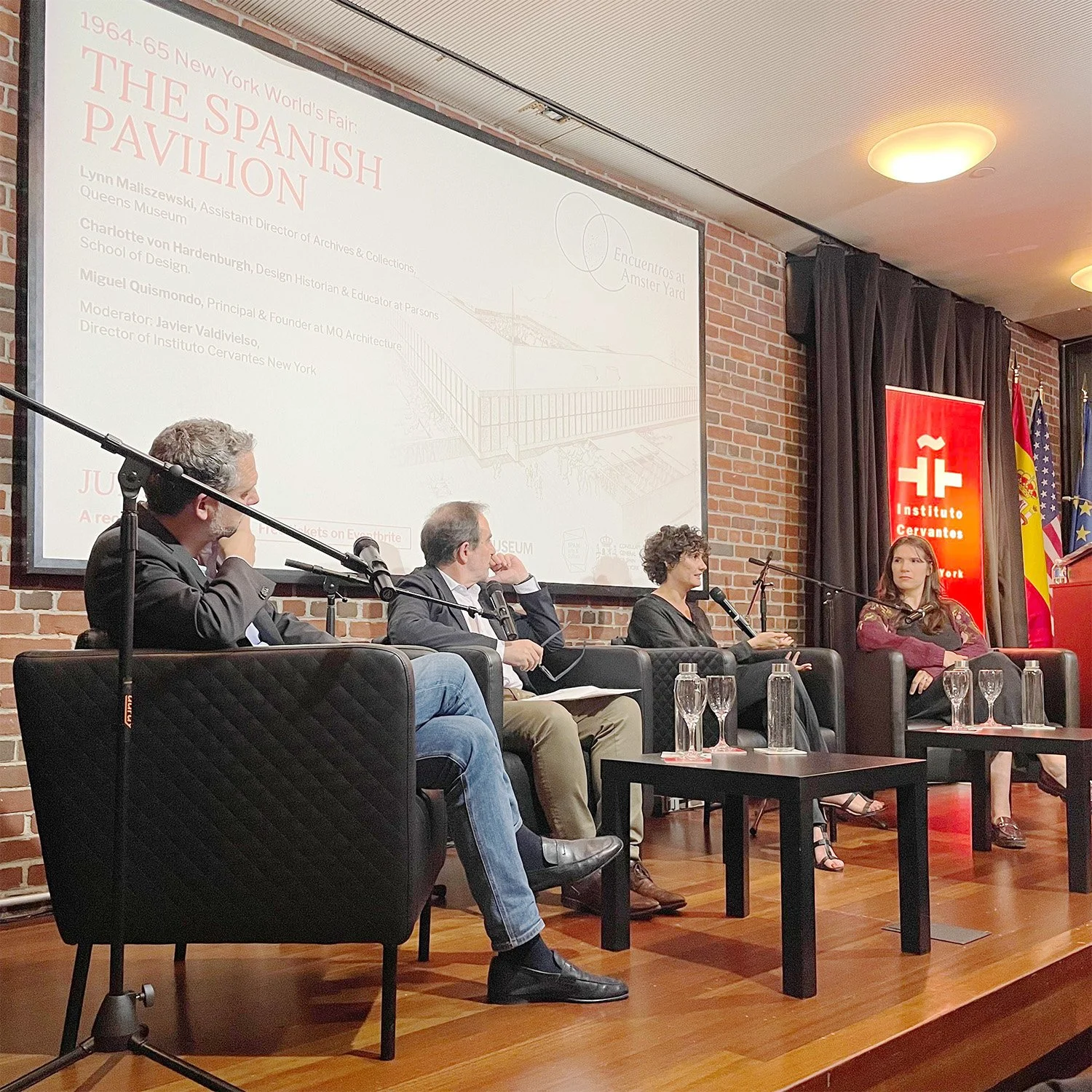
Round Table - Instituto Cervantes New York
1964–65 New York World's Fair: The Spanish Pavilion
Instituto Cervantes New York, in collaboration with the Consulate of Spain and the Queens Museum, hosted a special event reflecting on one of Spain’s most remarkable contributions to modern architecture and cultural diplomacy: the Spanish Pavilion at the 1964–65 New York World’s Fair. Held at the height of the Cold War and global transformation, the 1964–65 World’s Fair served as a platform for national identity and architectural innovation. Among its most celebrated structures was the Spanish Pavilion -a bold and visionary building designed by Javier Carvajal, a key figure in Spanish modernism. With its minimalist design, elegant geometry, rhythmic wooden structures, and masterful use of light, the pavilion projected an image of modernity, progress, and artistic sophistication. It symbolized a changing Spain and offered a powerful expression of cultural identity on the world stage. The event explored the pavilion’s lasting influence on contemporary Spanish architecture and its role in fostering cultural dialogue between Spain and the United States—an impact that continues to resonate today.
Speakers:
Lynn Maliszewski, Assistant Director of Archives and Collections, Queens Museum
Charlotte von Hardenburgh, Design Historian and Educator, Parsons School of Design
Miguel Quismondo, Principal and Founder, MQ Architecture
Moderator: Javier Valdivielso, Director, Instituto Cervantes New York
January 21st, 2025
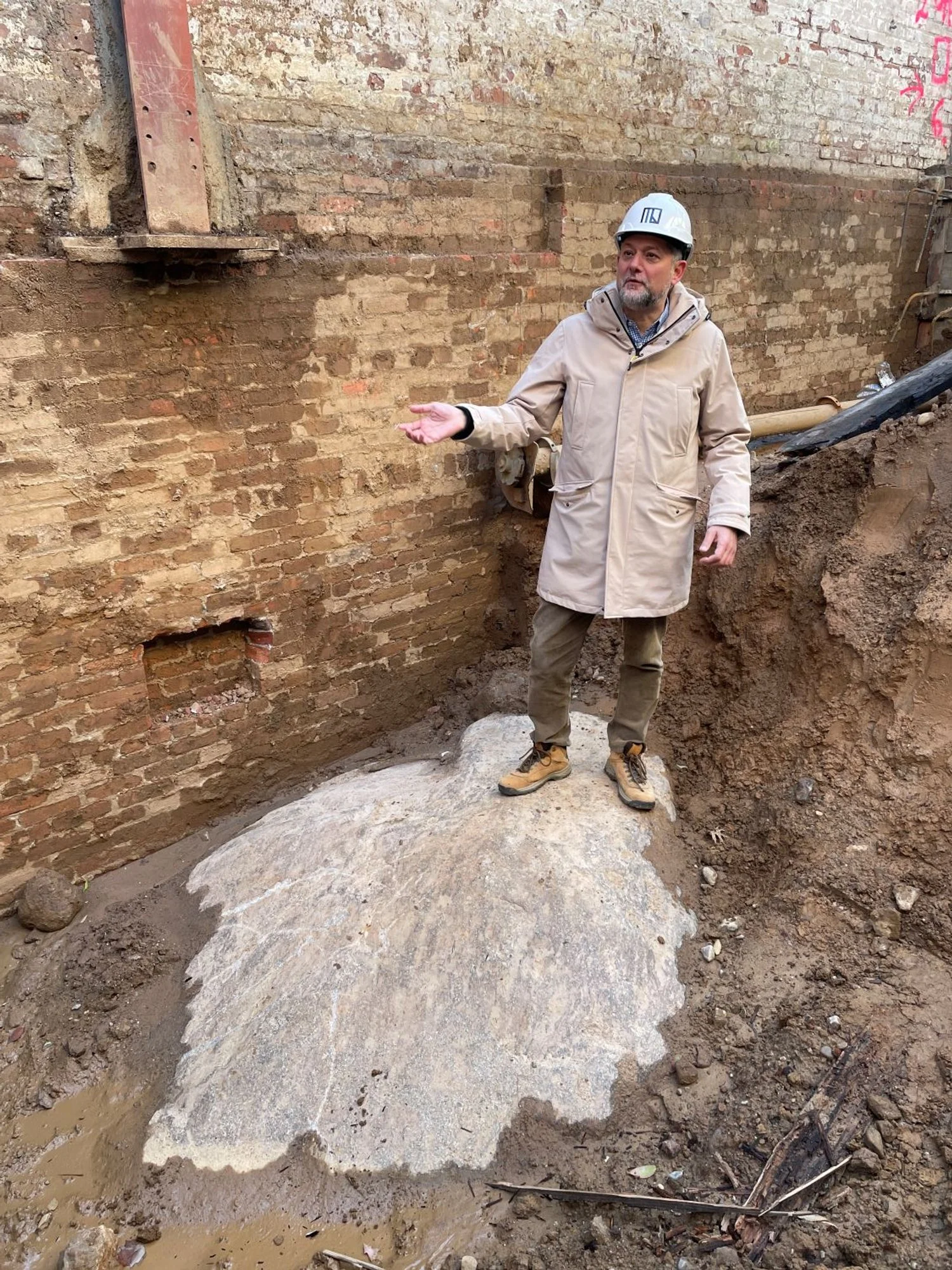
The Rock That Stood in the Way
Carriage House
During excavation at our Brooklyn project, we unexpectedly encountered a massive 9 foot diameter rock formation hidden beneath the site. What first seemed like an insurmountable obstacle quickly became a defining moment in the process. After weeks of coordination with engineers and contractors, the rock was finally broken into pieces and extracted, clearing the way for construction to move forward, a reminder of the unseen challenges that lie beneath the city.
October 3rd, 2024
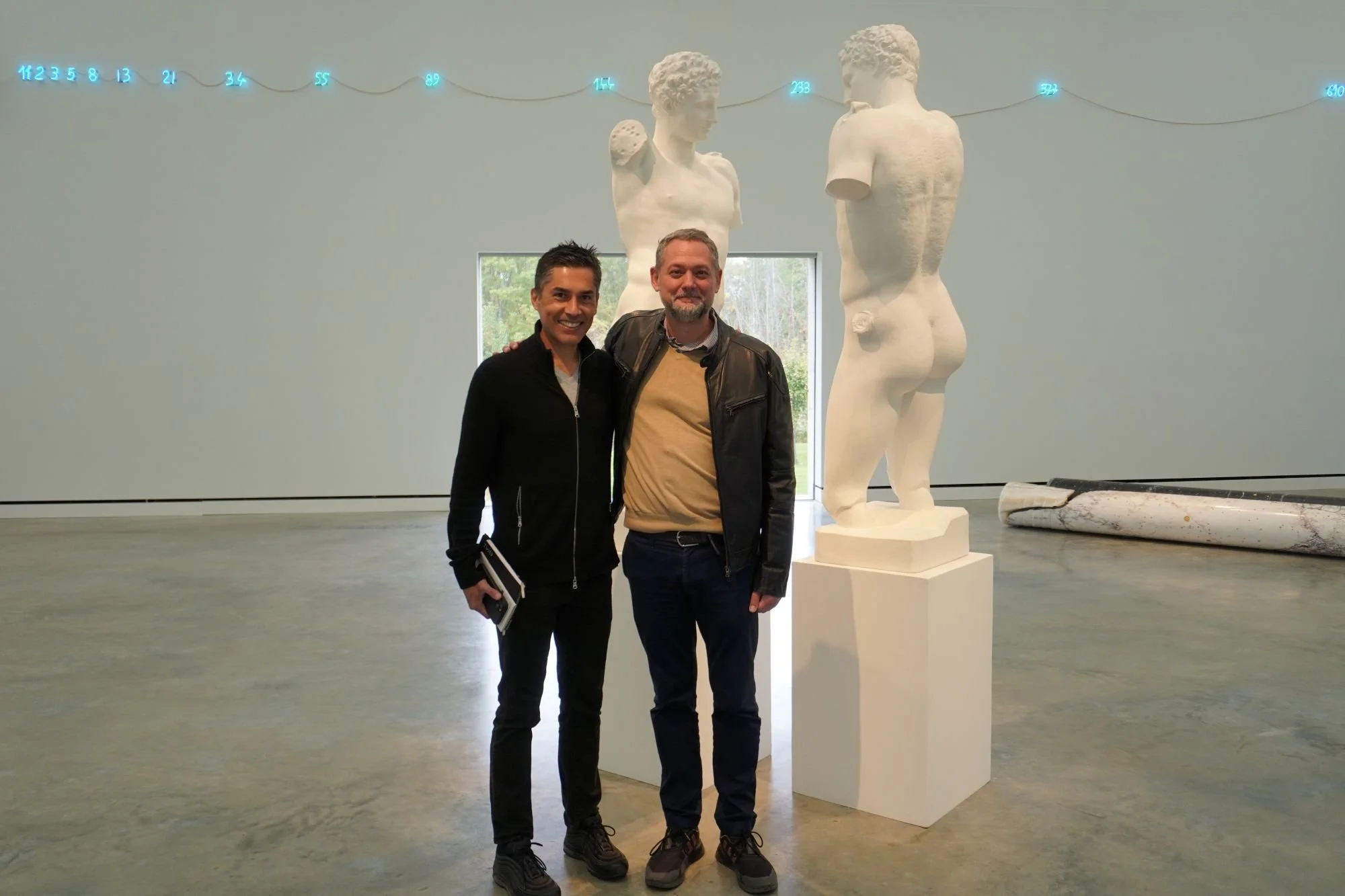
Private Tour with Yale Architecture Students at Magazzino Italian Art
Miguel Quismondo guided a visit alongside architect Mauricio Pezo
Miguel Quismondo hosted a private tour of Magazzino Italian Art for a group of Yale School of Architecture students, joined by architect Mauricio Pezo. The visit offered an in-depth look at the museum’s design and construction, highlighting its dialogue between contemporary architecture, Italian art, and the Hudson Valley landscape.
May 21st, 2024
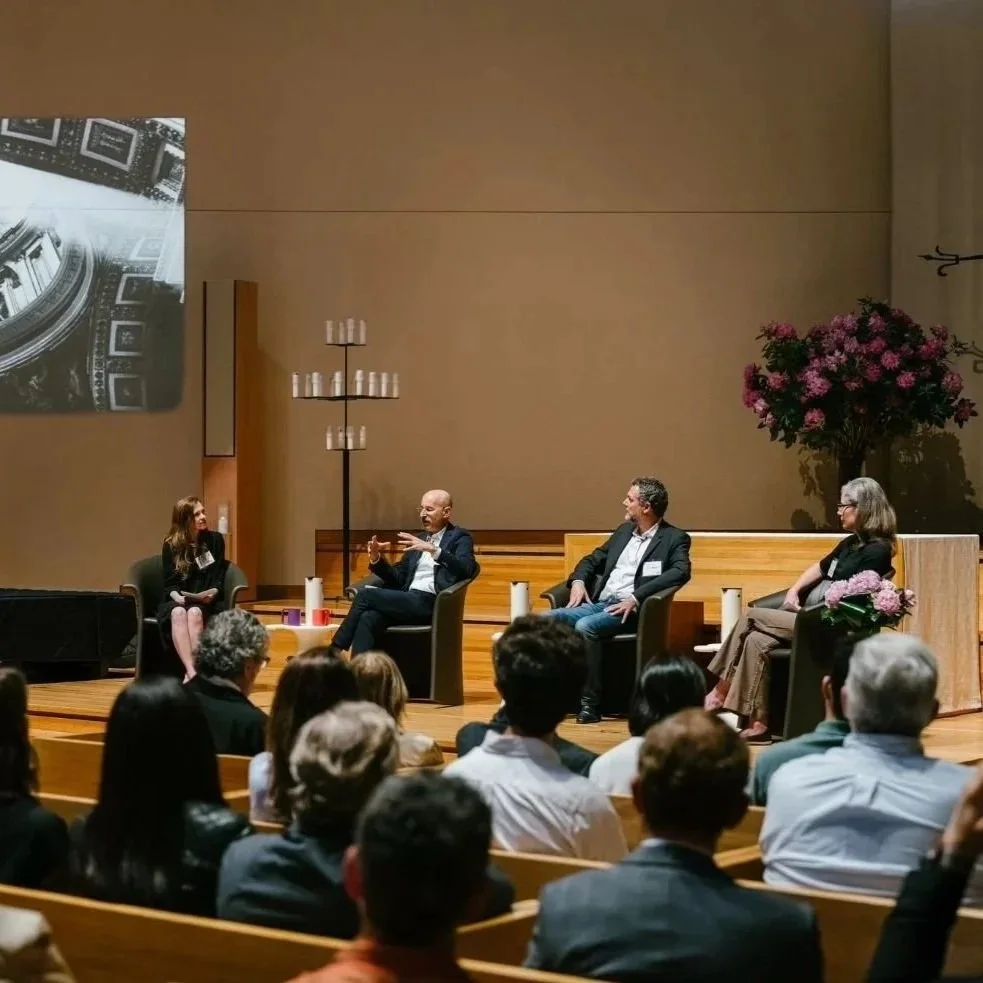
Light and Architecture - Panel Discussion at Saint Peter’s Church
Exploring how natural light shapes modernist spaces
On May 21, 2024, Saint Peter’s Church and The Arts and Architecture Conservancy hosted a panel discussion inspired by Marco Anelli’s striking photo installation at the church. Angela Wolf Scott, Adam Yarinsky, and Miguel Quismondo explored the relationship between natural light and design through three contemporary spaces — Saint Peter’s Church, Magazzino Italian Art, and the Rothko Chapel. Moderated by Caitlin Watson, the conversation revealed how light captivates, inspires, and enriches the experience of modern architecture.
2024
Introducing our newsletter
MQarchitecture Team
At MQ Architecture, our work begins with curiosity - about materials, about space, about people. For years, we’ve let that curiosity guide us through diverse projects: museums, homes, hospitality spaces, and collaborations with artists and galleries. Each one has added a new layer to how we design, build, and relate to the world around us.
Now, we’re opening another window into that process.
We’re launching a newsletter: not just as a way to share updates, but as a space to reflect, connect, and bring you closer to the ideas, challenges, and details that shape our practice.
You’ll find behind-the-scenes insights, sketches, site moments, stories of craft, and thoughts on architecture as both discipline and dialogue. Whether you’re a client, collaborator, or someone who simply values thoughtful design, we hope it brings inspiration your way.
We believe in building with honesty, with clarity, and with care. This newsletter is an extension of that same ethos.
Subscribe and join us. One story, one project, one idea at a time.
MQ Architecture Team